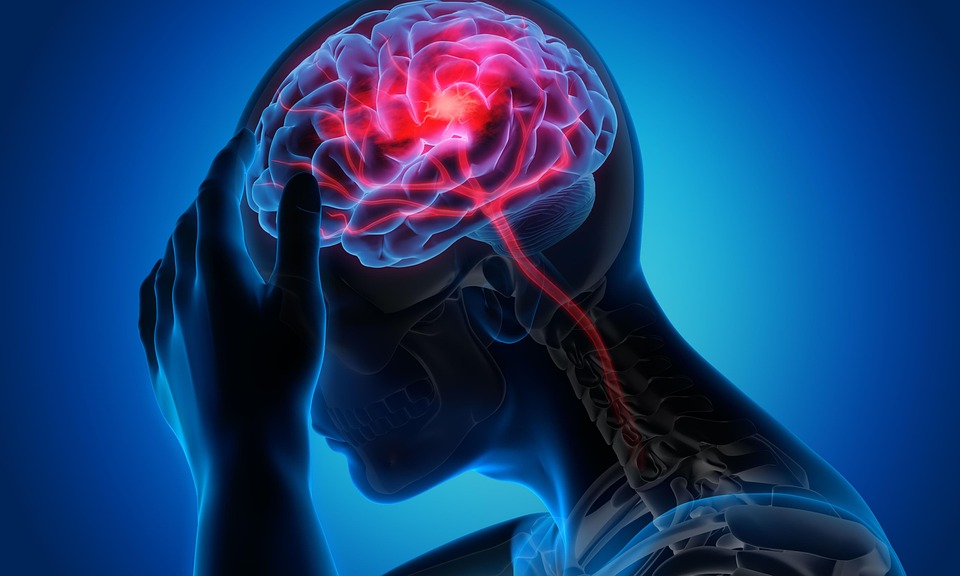
Migraines are more than “just a bad headache.” For millions of people in the U.S., they can interrupt work, school, family time, and even simple daily tasks like driving, reading, or looking at a screen. If you have ever wondered why a headache comes with nausea, light sensitivity, or strange visual changes, you are not alone. That is exactly why Understanding Migraine Symptoms: What Americans Need to Know matters so much.
The tricky part is that migraine symptoms do not always look the same from one person to the next. Some people feel a pounding pain on one side of the head. Others get warning signs hours before the pain starts. A few people even have migraine symptoms without much head pain at all. This can make migraines confusing, frustrating, and easy to ignore.
The good news is that once you know the common signs, triggers, and treatment options, migraines become much easier to manage. In this guide, we will break down Understanding Migraine Symptoms: What Americans Need to Know in simple language, with practical tips, trusted sources, and clear steps you can use right away.
Table of Contents
- What is Understanding Migraine Symptoms: What Americans Need to Know?
- Symptoms of Understanding Migraine Symptoms: What Americans Need to Know
- Causes of Understanding Migraine Symptoms: What Americans Need to Know
- Risk Factors for Understanding Migraine Symptoms: What Americans Need to Know
- Diagnosis and Tests
- Treatment Options
- Prevention Tips
- Best Foods / Lifestyle Tips
- When to See a Doctor
- Common Mistakes People Make
- FAQ
What is Understanding Migraine Symptoms: What Americans Need to Know?
A migraine is a neurological condition that often causes moderate to severe head pain, but it is usually more than pain alone. Many Americans experience migraine symptoms such as nausea, vomiting, light sensitivity, sound sensitivity, dizziness, or changes in vision.
According to trusted medical sources like the CDC, NIH, and Mayo Clinic, migraines can happen in stages. Not everyone goes through every stage, but the pattern often includes:
- Prodrome: early warning signs
- Aura: visual or sensory changes in some people
- Attack: the headache and other symptoms
- Postdrome: the “migraine hangover” feeling after the pain fades
Understanding migraine symptoms: what Americans need to know starts with one key idea: migraines are real medical events, not a sign of weakness, stress alone, or “just needing to rest.”
Symptoms of Understanding Migraine Symptoms: What Americans Need to Know
Migraine symptoms can vary, but these are the most common ones U.S. patients report:
- Throbbing or pulsing head pain
- Pain on one side or both sides of the head
- Nausea or vomiting
- Sensitivity to light, sound, or smell
- Blurred vision or flashing lights
- Neck stiffness
- Dizziness or trouble focusing
- Fatigue before or after the headache
Some people also have aura symptoms. These may include seeing zigzag lines, blind spots, tingling in the face or hands, or trouble speaking. Aura can feel scary, but it does not always mean something dangerous. Still, new or unusual symptoms should always be checked by a doctor.
One important point in Understanding Migraine Symptoms: What Americans Need to Know is that migraine pain can last from a few hours to several days. The symptoms can also affect work, driving, and sleep, which is why many Americans search for answers after repeated attacks.
Causes of Understanding Migraine Symptoms: What Americans Need to Know
There is no single cause of migraines. Doctors believe migraines happen because of changes in the brain and nerves, often involving genetics, brain chemicals, and how the nervous system reacts to certain triggers.
Common migraine triggers include:
- Stress or sudden letdown after stress
- Too little sleep or too much sleep
- Skipped meals
- Dehydration
- Bright lights or loud noise
- Alcohol, especially red wine for some people
- Hormone changes, including menstrual cycles
- Strong smells
- Weather changes
- Too much caffeine or caffeine withdrawal
Triggers are personal. What causes one person’s migraine may not affect another person at all. That is why tracking symptoms in a notebook or phone app can be so helpful.
Risk Factors for Understanding Migraine Symptoms: What Americans Need to Know
Some people are more likely to get migraines than others. Risk factors may include:
- Family history of migraines
- Being female, especially during reproductive years
- History of motion sickness
- Having anxiety, depression, or sleep problems
- Living with other chronic pain conditions
In the U.S., migraines are common enough that many workplaces and schools are affected by them. If you notice repeated attacks, it is worth paying attention instead of brushing them off.
| Symptom | Possible Cause | Common Risk Factor | Typical Treatment |
|---|---|---|---|
| Throbbing head pain | Changes in brain signaling | Family history | Pain relief medicine, rest, trigger control |
| Nausea | Nervous system response | Past migraine attacks | Anti-nausea medicine, hydration |
| Light sensitivity | Brain sensitivity during attack | Stress, poor sleep | Dark room, reduced screen time |
| Aura | Temporary brain activity changes | Migraine history | Medical evaluation, prescription treatment if needed |
Diagnosis and Tests
There is no single test that proves someone has a migraine. Doctors usually diagnose migraines by asking about your symptoms, medical history, family history, and triggers. They may ask how long the pain lasts, where it hurts, and whether you have nausea, aura, or sensitivity to light and sound.
In some cases, doctors may order tests like a CT scan or MRI. These are not always needed, but they may help rule out other causes if your symptoms are new, severe, or unusual.
If you are trying to better understand migraine symptoms: what Americans need to know, one smart step is to bring a symptom diary to your appointment. Write down:
- When the headache starts
- How long it lasts
- What you ate or drank
- Sleep quality
- Stress level
- Any aura or vision changes
Treatment Options
Treatment depends on how often migraines happen and how severe they are. Some people use over-the-counter medicine, while others need prescription treatment.
Common treatment options include:
- Over-the-counter pain relievers, used carefully and as directed
- Prescription triptans for migraine attacks
- Anti-nausea medicine
- Preventive medicines for frequent migraines
- Newer migraine medications, depending on doctor guidance
- Resting in a dark, quiet room
- Cold compresses on the head or neck
For Americans with frequent migraine attacks, treatment often works best when started early. Waiting too long can make symptoms harder to control.
For more health planning resources, see our internal guides on Best Health Insurance Plans, Top Online Degree Programs, and Best AI Tools for Business.
Prevention Tips
Prevention is a big part of Understanding Migraine Symptoms: What Americans Need to Know. Many people can reduce attacks by learning their triggers and building healthier daily routines.
- Keep a regular sleep schedule
- Eat meals at consistent times
- Drink enough water
- Limit alcohol if it triggers attacks
- Take screen breaks during the day
- Manage stress with walking, breathing, or stretching
- Follow your doctor’s treatment plan
Prevention does not mean you will never get another migraine. It means you may have fewer attacks, milder symptoms, or faster recovery.
Best Foods / Lifestyle Tips
Food can matter, but there is no one perfect migraine diet. Some people do well with regular meals and simple, balanced foods. Others find that certain foods trigger attacks.
Helpful habits may include:
- Eating protein with breakfast
- Staying hydrated throughout the day
- Not skipping lunch
- Limiting highly processed foods if they seem to trigger symptoms
- Tracking possible food triggers instead of cutting out everything at once
Good lifestyle habits can also support migraine care:
- Get enough sleep
- Move your body regularly
- Reduce bright light exposure when needed
- Use sunglasses outdoors if light is a trigger
- Take breaks from long screen sessions
The goal is not perfection. The goal is to notice patterns and make small changes that help your body feel steadier.
When to See a Doctor
You should talk to a doctor if you have headaches that keep coming back, get worse over time, or interfere with daily life. You should also get medical help right away if you have:
- A sudden, severe headache unlike your usual pain
- Headache with fever, confusion, fainting, or weakness
- New headache after a head injury
- Vision loss
- Trouble speaking
- New symptoms after age 50
If you are unsure, it is always safer to get checked. Understanding migraine symptoms: what Americans need to know also includes knowing when symptoms may point to something more serious.
Common Mistakes People Make
Many Americans accidentally make migraines worse without realizing it. Common mistakes include:
- Waiting too long to treat the headache
- Taking pain medicine too often
- Skipping meals during a busy day
- Ignoring sleep problems
- Not tracking triggers
- Assuming every headache is “just stress”
- Not seeing a doctor for repeated attacks
Another common mistake is self-diagnosing without medical advice. Migraines are common, but other conditions can look similar. A proper diagnosis matters.
FAQ
What are the most common migraine symptoms in the USA?
The most common symptoms include throbbing head pain, nausea, light sensitivity, sound sensitivity, and sometimes aura. Many Americans also feel tired or foggy after the attack ends.
How do I know if I have a migraine or a regular headache?
Migraines often cause stronger pain and come with symptoms like nausea, light sensitivity, or vision changes. Regular tension headaches usually do not cause those extra symptoms.
Can migraines happen without head pain?
Yes. Some people have aura, dizziness, or other migraine symptoms without major head pain. A doctor can help confirm what is happening.
What triggers migraines most often?
Common triggers include stress, lack of sleep, dehydration, skipped meals, bright lights, certain smells, alcohol, and hormone changes. Triggers are different for each person.
Is understanding migraine symptoms: what Americans need to know important for children too?
Yes. Children can get migraines too, and their symptoms may look different from adults. If a child has repeated headaches, a pediatrician should evaluate them.
Are migraines dangerous?
Most migraines are not dangerous, but they can be very disruptive. Sudden, severe, or unusual symptoms should be checked right away.
What is the best first step if I think I have migraines?
Start tracking your symptoms and make an appointment with a doctor. Bring notes about timing, triggers, and symptom patterns so you can get the right diagnosis faster.
Where can I learn more from trusted sources?
You can review information from the CDC, NIH, and Mayo Clinic. These sources offer reliable, easy-to-understand medical guidance.
Final Thoughts on Understanding Migraine Symptoms: What Americans Need to Know
Understanding migraine symptoms: what Americans need to know is really about listening to your body. Migraines can be confusing, but they are also manageable when you know what to look for, what triggers them, and when to get help.
If you live in the U.S. and deal with repeated headaches, do not ignore the pattern. Track your symptoms, watch for triggers, and talk with a healthcare professional if migraines are affecting your routine. The sooner you understand what is happening, the sooner you can take back control.
This content is for informational purposes only and does not replace professional medical advice.