If you are planning Kedarnath Yatra by Train: Complete Travel Guide for Pilgrims, then you are already on the right path. Many devotees think Kedarnath is only about trekking and helicopters, but honestly, the journey starts much before that. For most pilgrims, the train is the most practical, budget-friendly, and comfortable way to begin the yatra. It saves money, reduces stress, and gives you time to mentally prepare for the divine experience ahead.
In this guide, I’ll explain how to reach Kedarnath by train, which railway stations are best, how to continue from the station to Sonprayag, what to book in advance, and what real problems pilgrims face on this route. I’ll also share a simple comparison table, FAQs, and some honest travel advice. Waise, if you are going with family or senior citizens, this article will help even more.
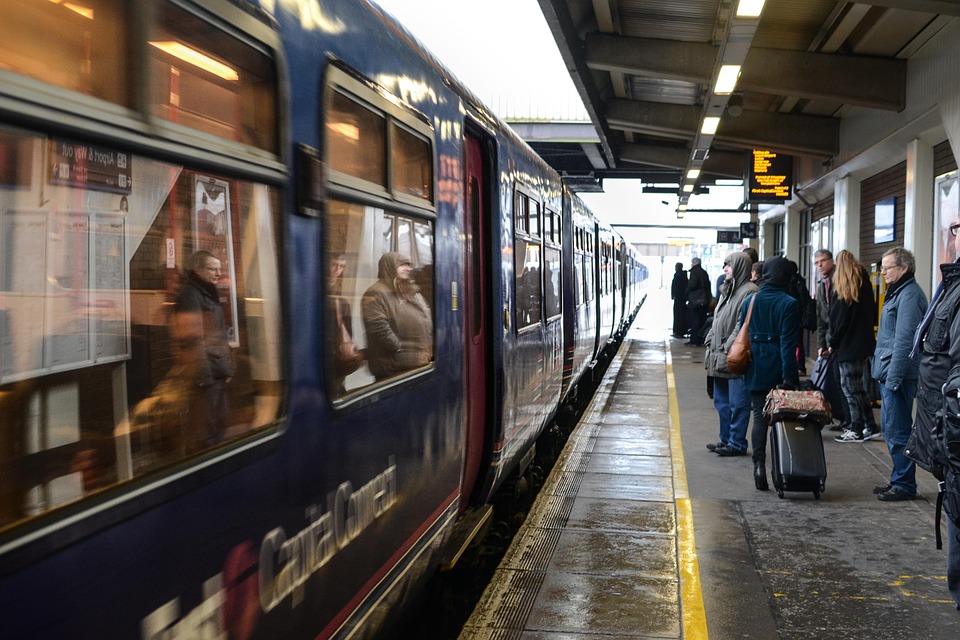
Image alt text suggestion: Kedarnath Yatra by Train: Complete Travel Guide for Pilgrims with railway route to Haridwar and Rishikesh
Meta description: Plan your Kedarnath Yatra by Train: Complete Travel Guide for Pilgrims with route details, nearest railway stations, travel tips, budget, stay options, and useful pilgrim advice.
Table of Contents
- What is Kedarnath Yatra by Train
- Best railway stations for Kedarnath
- Step-by-step route from train to temple
- Budget, timing, and booking tips
- Real impact on pilgrims and travel challenges
- Useful comparison table
- FAQs
What is Kedarnath Yatra by Train: Complete Travel Guide for Pilgrims
Let’s make it simple. Kedarnath Yatra by Train: Complete Travel Guide for Pilgrims means using Indian Railways to reach the nearest access points like Haridwar, Rishikesh, Haridwar Junction, or sometimes Dehradun, and then continuing the journey by road to Sonprayag, Gaurikund, and finally Kedarnath.
This route is not just convenient, it is also the preferred choice for lakhs of pilgrims every year. Kedarnath is in Uttarakhand’s high Himalayas, and there is no direct railway line to the shrine. So the train becomes the first and most important leg of the journey.
What exactly happened here is simple: as Kedarnath pilgrimage became more popular, train travel turned into the backbone of the trip. Earlier, people had to depend only on long road journeys. Now, with better rail connectivity to North India, devotees can travel more comfortably and plan better.
Why it started? Because pilgrims needed a safer, cheaper, and more reliable way to reach the base towns. Trains to Haridwar and Rishikesh made the yatra accessible to families, elderly devotees, and budget travelers. And honestly, that changed everything.
Best Railway Stations for Kedarnath Yatra
There is no direct train to Kedarnath, so you need to choose the right station. The most useful stations are:
- Haridwar Junction – Best and most popular option
- Rishikesh Railway Station – Closer to the road route, but fewer trains stop here
- Dehradun Railway Station – Good for travelers coming from metro cities
- Yog Nagari Rishikesh – Useful for some routes and better road connectivity
If you ask me honestly, Haridwar is the safest bet. Trains are more frequent, cabs and buses are easy to find, and the route toward Rudraprayag and Sonprayag is well known. Rishikesh is also good, but seat availability and train options can be slightly limited.
For official train schedules and availability, you can check the IRCTC official website. For Uttarakhand road and tourism updates, the Uttarakhand Tourism official portal is also useful.
How to Reach Kedarnath from Train Station
Once you reach Haridwar, Rishikesh, or Dehradun by train, the next part is road travel. Here is the usual route:
- Train to Haridwar / Rishikesh / Dehradun
- Taxi, bus, or shared cab to Rudraprayag / Guptkashi / Sonprayag
- Road travel ends at Sonprayag
- From Sonprayag, local shuttle takes you to Gaurikund
- From Gaurikund, trek starts toward Kedarnath
The trek from Gaurikund to Kedarnath is around 16 to 18 km depending on the route and conditions. Many pilgrims use ponies, palkis, or helicopter services if they cannot trek. If you are going with parents, please plan this part carefully. The mountain route is beautiful, but it is physically demanding too.
One thing people often ignore: train timing matters. If your train reaches late at night, road travel can get tiring. So try to arrive during the day, because mountain roads after dark are not ideal, especially in the rainy season.
Best Time, Budget, and Booking Tips
The best time for Kedarnath Yatra by train is usually May to June and September to October. These months generally have better weather and smoother road conditions. July and August can be risky because of heavy rain and landslides in Uttarakhand.
Budget depends on your starting city, train class, and road travel. For a basic pilgrim trip, here is a rough idea:
- Train fare: Rs. 300 to Rs. 2,500 or more depending on class and distance
- Road travel from Haridwar/Rishikesh to Sonprayag: Rs. 400 to Rs. 1,500 per person in shared transport
- Stay: Rs. 800 to Rs. 3,000 per night in base towns
- Trek support or pony/palki: extra cost based on need
Booking tips are very important. Train tickets should be booked early, especially during yatra season. Also, hotel rooms in Haridwar, Rishikesh, Guptkashi, and Sonprayag fill quickly. If you wait too long, prices jump. And yes, that happens every season.
For train route planning, use our Indian Railway travel guide and Haridwar to Sonprayag road route article for better planning.
Real Impact on Pilgrims and Public Reaction
The real impact of train travel on Kedarnath pilgrims is huge. It has made the yatra possible for middle-class families, senior citizens, and first-time travelers. Earlier, people used to feel nervous about the long trip. Now, with trains, the journey feels more structured.
When I saw this trend growing, honestly thoda surprise hua because so many people started planning Kedarnath like a proper family trip, not just a tough pilgrimage. But that is also a good thing. It means more people can visit with faith and comfort.
Public reaction on social media is mostly positive. Many devotees share their train journey reels, station photos, and road-trip updates. Some talk about crowd management issues, ticket shortages, and long waiting times at Sonprayag. So the buzz is mixed, but mostly emotional and devotional. People feel proud when they finally reach the temple after a long journey.
Still, there are real problems. During peak season, trains get full fast, roads get jammed, and weather can suddenly change. So yes, the journey is beautiful, but not easy. Isn’t that also part of the pilgrimage spirit?
Important Travel Tips for Pilgrims
- Carry warm clothes even in summer, because nights can be cold
- Book train tickets early through IRCTC
- Keep buffer time for road delays and weather issues
- Carry ID proof, water, dry snacks, and basic medicines
- Use only registered taxis and official shuttle services
- Check Kedarnath registration requirements before starting
- Do not depend on last-minute hotel bookings in peak season
Also, if you are traveling with kids or elderly people, keep the itinerary slower. One extra night in Haridwar or Guptkashi can make the trip much easier. Don’t try to rush the mountain route. The Himalayas teach patience.
Comparison Table: Train Route Options for Kedarnath Yatra
| Station | Train Availability | Road Distance to Sonprayag | Best For | Overall Convenience |
|---|---|---|---|---|
| Haridwar Junction | Very High | About 210 km | Most pilgrims, families | Excellent |
| Rishikesh | Medium | About 180 km | Shorter road journey | Very Good |
| Dehradun | Good | About 230 km | Metro city travelers | Good |
| Yog Nagari Rishikesh | Medium | About 175 km | Newer rail users | Good |
FAQ: Kedarnath Yatra by Train
1. Is there a direct train to Kedarnath?
No, there is no direct train to Kedarnath. The nearest major railway stations are Haridwar, Rishikesh, and Dehradun. From there, you need to continue by road.
2. Which is the best railway station for Kedarnath Yatra?
Haridwar Junction is usually the best option because it has more trains, better transport connectivity, and easy access to the mountain route.
3. How much time does the full journey take?
It depends on your starting city, but from Haridwar to Kedarnath base area, you should keep at least 1 to 2 days extra for road travel and rest.
4. Is train travel safe for senior citizens?
Yes, train travel is usually safe and comfortable. But the road and trekking part needs proper planning, medical caution, and slower pacing.
5. What should I book first for Kedarnath Yatra?
First book your train tickets and yatra registration, then book hotel stays near Haridwar, Rishikesh, or Guptkashi. After that, plan the road transfer.
Final Honest Opinion
If you are planning Kedarnath Yatra by Train: Complete Travel Guide for Pilgrims, my honest advice is simple: start early, keep your plan flexible, and respect the mountain weather. Train is the smartest way to begin this sacred journey because it is economical, comfortable, and easy to manage for most people.
But don’t treat it like a normal holiday trip. Kedarnath needs preparation, patience, and devotion. The train gets you close, but the real yatra begins when you step into the hills. And that’s where the experience becomes unforgettable.
Disclaimer: The above information is based on public sources and latest available updates. Please verify official details before travel.