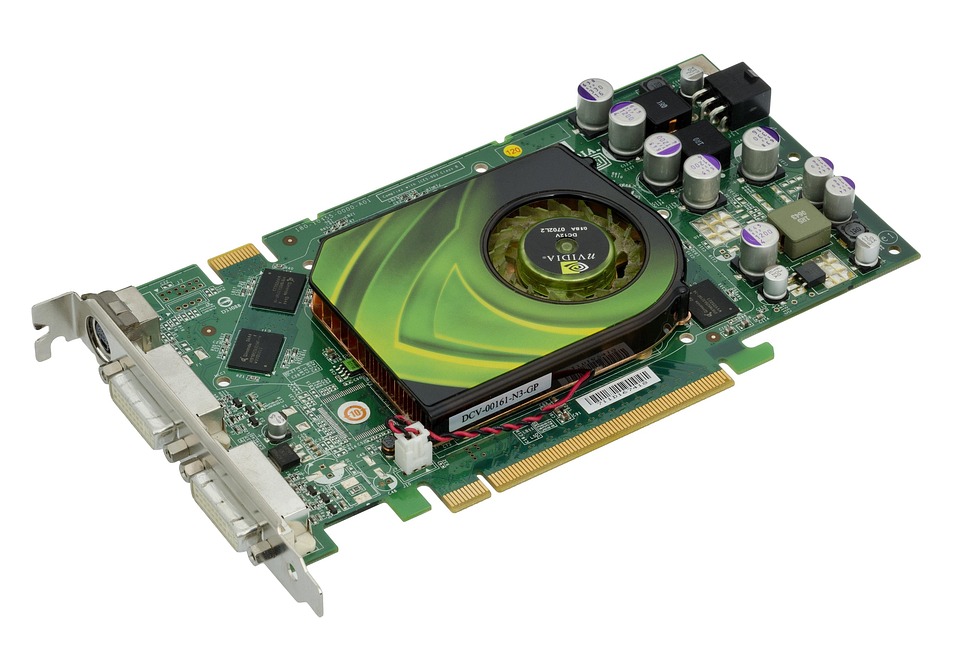
If you were watching the market today and wondering why Nvidia and Boeing Stocks Slide After China Summit Fails to Deliver, you are not alone. The reaction was sharp, emotional, and very much tied to one thing: investors were hoping for a clearer breakthrough on US-China tensions, but the summit did not deliver the kind of concrete relief that markets wanted. That disappointment hit big global names fast, especially Nvidia and Boeing, both of which are deeply exposed to China-related demand, policy, and sentiment.
Sach bolo toh, this is the kind of move that makes traders sit up and long-term investors rethink risk. In this article, you’ll get the latest market context, why these stocks are under pressure, what the summit outcome means, and what investors should watch next. Agar aap bhi yehi search kar rahe ho, this breakdown will help you understand the real story behind the slide without the noise.
Table of Contents
- What happened in the summit?
- Why Nvidia and Boeing stocks fell
- Timeline of the market reaction
- Why this matters for investors
- Market view and key triggers
- Quick comparison table
- FAQs
- Final analysis
What happened after the China summit?
The latest market move came after a high-stakes China summit failed to deliver the kind of strong, market-friendly outcome investors had been hoping for. In simple words, there was no big breakthrough that could calm worries around trade, technology restrictions, supply chains, or industrial demand. That uncertainty immediately weighed on sentiment across US-listed stocks with heavy China exposure.
Nvidia and Boeing were among the names that came under pressure. Nvidia is closely watched because China remains an important market for AI chips, data center demand, and semiconductor growth expectations. Boeing, on the other hand, is sensitive to China’s aircraft demand and broader geopolitical relations that can affect deliveries, orders, and long-term business confidence.
One small but telling observation: whenever China headlines disappoint, the market does not wait for full clarity. It often reacts first and asks questions later. That is exactly what happened here.
Why Nvidia and Boeing Stocks Slide After China Summit Fails to Deliver
There are a few clear reasons behind the fall. The first is expectation mismatch. Markets had already priced in some hope that the summit could reduce tension or open the door to better trade and business conditions. When that did not happen, investors rushed to reduce exposure.
The second reason is that both companies have different but equally important China links. Nvidia depends on global AI growth and access to major markets. Any sign of tighter controls or weaker China demand can hurt sentiment. Boeing depends on airline demand, aircraft approvals, and long-cycle order confidence. If China-US relations remain shaky, Boeing’s recovery story can get delayed.
The third reason is simple risk-off behavior. When political talks disappoint, investors often move money away from cyclical, globally exposed stocks and toward safer assets. That can create a wider selloff even if the company-specific fundamentals have not changed overnight.
Yeh thoda shocking tha for many retail investors because both Nvidia and Boeing are seen as headline stocks. When these names slip together, it sends a strong signal that the market is reading the summit as a missed opportunity.
Timeline of the market reaction
| Event | Market Reaction | Investor Takeaway |
|---|---|---|
| China summit expectations rise | Stocks stayed supported on hopes of relief | Markets wanted a clear de-escalation signal |
| Summit outcome disappoints | Sentiment turns cautious | Traders start cutting risk |
| Nvidia and Boeing come under pressure | Shares slide as China-linked fears return | Global exposure becomes a short-term headwind |
| Broader market reassesses | Attention shifts to policy, trade, and demand outlook | Next moves depend on official follow-up signals |
Why this matters for investors
This is not just a one-day stock story. It matters because Nvidia and Boeing are both closely tied to the global economy, and China is a major piece of that puzzle. If the summit had produced stronger commitments, the market may have seen better visibility on future earnings, exports, and demand. Instead, uncertainty remains.
For Nvidia, the concern is not only about current sales, but also about future access to high-value customers and the pace of AI infrastructure growth. For Boeing, the concern is whether airlines and regulators in China will continue to support a smoother delivery cycle. Both stocks can move quickly on headlines because expectations are already high.
Think of it like this: if you are planning a big family trip and the airline says “we’ll confirm later,” you do not feel confident. That is how markets felt after the summit. They wanted confirmation, not vague optimism.
Latest market view and what traders are watching
Traders are now watching three things very closely. First, whether there are any follow-up statements from US or China officials that soften the disappointment. Second, whether analysts revise near-term outlooks for China-sensitive sectors. Third, whether broader tech and industrial stocks also start to show weakness or if the move stays limited to a few names.
In the short term, Nvidia may remain sensitive to any China-related export or demand headlines. Boeing may stay tied to airline order news, delivery updates, and diplomatic tone. If the next round of communication improves, some of this pressure can ease. If not, volatility may continue.
Honestly, this is where disciplined investors usually win. Panic selling on one headline is rarely the best move. But ignoring a change in policy tone is also risky. The smart play is to separate emotional reaction from actual business impact.
Nvidia and Boeing Stocks Slide After China Summit Fails to Deliver: quick comparison
| Stock | Main China Link | Why It Fell | What to Watch |
|---|---|---|---|
| Nvidia | AI chips, data center demand, semiconductor exports | Disappointment on China-related clarity and growth sentiment | Export policy, AI demand, analyst outlook |
| Boeing | Aircraft orders, deliveries, aviation demand | Weak confidence in improved US-China business ties | Order flow, delivery schedule, diplomatic signals |
Public mood and investor reaction
On trading desks and social media, the tone was cautious. Many investors were expecting at least some positive language that could reduce uncertainty. Instead, the absence of a strong result created a “wait and watch” mood. That kind of mood often leads to short-term selling, especially in big-name stocks where positions are crowded.
A relatable example: imagine waiting for a school result update that could decide your next step, and then getting only a “we will share details later” message. That frustration is very similar to how the market reacted. It wanted clarity, and it got delay.
For readers tracking daily market moves, this is a reminder that geopolitics can move stocks as much as earnings can. Sometimes even more.
What happens next?
The next move depends on whether policymakers and company executives can restore confidence. If there are signs of a softer stance, the pressure on Nvidia and Boeing may ease. If tensions remain unresolved, both stocks could stay volatile, especially as investors rotate in and out based on headline risk.
For now, investors should keep an eye on market commentary, institutional flows, and any fresh statements from official sources. If you are following broader market trends too, you may also want to track our Nifty live updates, Sensex crash today, and stock market holiday list 2026.
For official market and company-related references, you can also check the relevant exchange and company pages such as NSE India and Boeing’s official website.
FAQs on Nvidia and Boeing Stocks Slide After China Summit Fails to Deliver
Why did Nvidia and Boeing stocks fall after the China summit?
Because the summit did not deliver the strong China-related clarity investors were expecting. That raised uncertainty around trade, demand, and future business conditions.
Is Nvidia more exposed to China than Boeing?
Yes, in a different way. Nvidia is more tied to chips, AI infrastructure, and export policy, while Boeing is tied to aircraft demand, orders, and long-term aviation relationships.
Will Nvidia stock recover soon?
It may recover if follow-up policy signals improve and investor confidence returns. But near-term moves will likely stay headline-driven.
Can Boeing benefit if US-China relations improve?
Yes. Better diplomatic and trade relations can support aircraft orders, delivery confidence, and long-term planning for Boeing.
What should investors watch next?
Watch official statements, analyst updates, market sentiment, and whether China-sensitive stocks continue to weaken or stabilize.
Is this a long-term problem or just a short-term reaction?
Right now, it looks like a short-term market reaction to a disappointing summit outcome. But if uncertainty stays high, it can affect longer-term expectations too.
Final analysis: what this means for the market
Nvidia and Boeing Stocks Slide After China Summit Fails to Deliver is more than a headline. It reflects a market that is still very sensitive to geopolitical signals, especially when major global companies are involved. The disappointment was not just about one meeting. It was about the gap between what investors hoped for and what actually came out.
My take is simple: this is a reminder that the market loves certainty, and punishes ambiguity fast. Nvidia and Boeing are strong brands, but even strong companies can get dragged down when the policy backdrop turns cloudy. If you are an investor, the key is not to overreact, but to stay alert.
For more market updates, check our internal coverage on gold price today and CBSE Result 2026 for other trending daily news that readers are searching for right now.