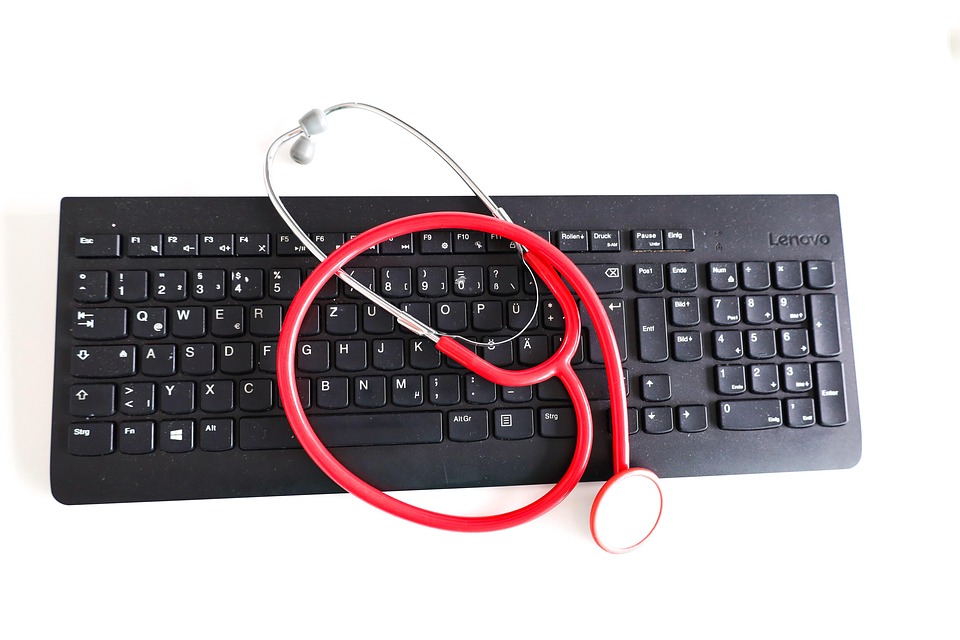
The Rise of Online Doctor Consultations in the USA has quickly moved from a convenient backup option to a normal part of everyday healthcare for millions of Americans. If you have ever waited days for an appointment, sat in a crowded clinic, or skipped care because life was too busy, you are not alone. That frustration is exactly why so many people are turning to virtual visits.
Today, many patients want fast answers, flexible scheduling, and care they can access from home. Parents with sick kids, workers with packed schedules, older adults with mobility concerns, and people in rural areas are all finding value in online doctor consultations. The big question is not whether telehealth works at all. The real question is: when is it the right choice, and how do you use it wisely?
In this guide, we will break down The Rise of Online Doctor Consultations in the USA in a simple, practical way. You will learn how it works, what it is best for, the common mistakes people make, and how to decide whether a virtual visit makes sense for your health needs. If you want clear, trustworthy information without the medical jargon, you are in the right place.
Table of Contents
- What is The Rise of Online Doctor Consultations in the USA?
- How The Rise of Online Doctor Consultations in the USA Works
- Benefits of Online Doctor Consultations
- Limits and Drawbacks
- When to Use a Virtual Doctor Visit
- Comparison Table
- Tips for a Better Online Visit
- FAQs
What is The Rise of Online Doctor Consultations in the USA?
The Rise of Online Doctor Consultations in the USA refers to the growing use of telehealth and virtual care services where patients meet with licensed healthcare providers through video, phone, or secure messaging. Instead of traveling to a clinic for every concern, many Americans can now get medical advice from home.
This trend grew fast during the COVID-19 pandemic, but it did not disappear when in-person care returned. In fact, many people discovered that online visits are useful for routine health concerns, follow-ups, medication questions, mental health support, and minor illnesses. That convenience is a big reason telehealth is still popular across the United States.
Trusted organizations like the CDC, NIH, and Mayo Clinic continue to provide patient education on virtual care, showing that telehealth is now a real part of modern healthcare, not just a temporary trend.
How The Rise of Online Doctor Consultations in the USA Works
Most online doctor consultations follow a simple process:
- You choose a telehealth provider, clinic, or insurance-backed virtual care option.
- You create an account and share basic health information.
- You schedule a visit or connect on demand.
- You speak with a licensed provider by video, phone, or chat.
- The provider may give advice, prescribe medication if appropriate, order tests, or recommend in-person care.
Some visits are same-day, which is one of the biggest reasons people search for online doctor visits in the USA. Others are scheduled in advance, especially for follow-ups or ongoing care. Many health plans and employer benefits now include some form of virtual care, but coverage can vary.
For plan details and coverage questions, it is smart to review official resources like Healthcare.gov and Medicare.gov.
Why The Rise of Online Doctor Consultations in the USA Matters
The main reason this trend keeps growing is simple: it saves time and removes barriers. For many Americans, a virtual visit is easier than taking time off work, arranging childcare, or driving long distances to a clinic.
Here are some of the biggest benefits:
- Convenience: You can talk to a provider from home, work, or even while traveling.
- Faster access: Many services offer same-day or next-day appointments.
- Better access in rural areas: People far from major medical centers may have more options.
- Less exposure to germs: This matters if you are sick or immunocompromised.
- Good for follow-ups: Prescription refills, test reviews, and symptom check-ins are often easy to handle online.
For busy families, this can feel like a huge relief. Instead of waiting weeks to ask a simple question, you can often get answers much sooner. That is a major part of The Rise of Online Doctor Consultations in the USA.
Limits and Drawbacks of The Rise of Online Doctor Consultations in the USA
Even though telehealth is helpful, it is not perfect. Some health problems still need an in-person exam, lab work, imaging, or urgent treatment. A video call cannot replace every type of care.
Common drawbacks include:
- Not ideal for emergencies: Chest pain, trouble breathing, stroke symptoms, severe bleeding, or loss of consciousness need emergency care.
- Limited physical exams: A provider cannot fully check your body through a screen.
- Technology issues: Weak internet, poor audio, or app problems can interrupt care.
- State licensing rules: Some providers can only treat patients in certain states.
- Insurance differences: Coverage and copays may vary by plan.
That is why telehealth works best when you use it for the right type of concern. It is a tool, not a total replacement for all medical care.
When Should You Use Online Doctor Consultations?
Online doctor visits are often a good fit for:
- Cold, flu, or allergy symptoms
- Rashes or minor skin concerns
- Prescription refills
- Medication questions
- Follow-up visits after treatment
- Minor infections, when appropriate
- Mental health support and counseling
- General health questions
They may be less suitable for severe pain, major injuries, new chest symptoms, serious infections, or anything that clearly needs hands-on testing. If you are unsure, a virtual provider can often help you decide whether you need urgent in-person care.
For better health decisions, you can also review related resources like Best health insurance plans and Top online degree programs if you want to understand broader digital service trends.
Comparison Table: Common Virtual Care Use Cases
| Symptom or Need | Possible Cause | Risk Level | Common Treatment Approach |
|---|---|---|---|
| Cold or flu symptoms | Viral infection | Low to moderate | Rest, fluids, symptom relief, provider guidance |
| Rash or skin irritation | Allergy, irritation, infection | Low to moderate | Visual review, topical treatment, follow-up if needed |
| Prescription refill request | Ongoing condition management | Low | Medication review, refill if appropriate, monitoring |
| Medication side effects | Drug reaction or dose issue | Moderate | Provider review, possible change in treatment |
| Mental health check-in | Anxiety, stress, depression | Low to high | Teletherapy, medication management, safety planning if needed |
Common Mistakes People Make with Online Doctor Visits
Many people get good results from telehealth, but a few simple mistakes can make the experience less useful.
- Waiting too long: Some people use telehealth only after symptoms become severe.
- Not sharing enough detail: The provider needs accurate symptoms, timing, and medication history.
- Using it for emergencies: Online care is not for life-threatening problems.
- Ignoring follow-up instructions: If the provider says you need in-person care, take that seriously.
- Not checking insurance: Always confirm coverage before the visit if possible.
These mistakes are easy to avoid, and doing so can make The Rise of Online Doctor Consultations in the USA even more useful for your family.
Tips for a Better Online Doctor Consultation
If you want a smoother visit, try these simple steps:
- Write down your symptoms before the appointment.
- Keep your medication list nearby.
- Use a quiet place with good lighting.
- Test your internet or app before the call.
- Have questions ready so you do not forget them.
- Be honest about your symptoms, even if they feel minor.
These small habits can make a big difference. A better visit means better advice, and that can save time, money, and stress.
Best Internal Resources to Explore Next
If you are comparing healthcare options, you may also want to read:
Trusted Sources for More Information
FAQs About The Rise of Online Doctor Consultations in the USA
Is The Rise of Online Doctor Consultations in the USA worth it for most Americans?
For many people, yes. It is often worth it for routine care, follow-ups, minor illnesses, and mental health support. It is especially helpful if you want faster access and less travel. But it is not the right choice for emergencies or conditions that need a physical exam.
How much does The Rise of Online Doctor Consultations in the USA cost?
Costs can vary widely depending on the provider, insurance plan, and type of visit. Some services charge a flat cash fee, while others are covered under insurance. Always check the provider’s official pricing and your plan details before booking.
Is The Rise of Online Doctor Consultations in the USA covered by insurance?
Sometimes. Many insurance plans cover telehealth, but benefits differ by employer, state, and plan type. It is best to check your policy or use your insurer’s member portal before the appointment.
What can online doctors treat?
Online doctors can often help with colds, flu symptoms, allergies, rashes, medication questions, refills, and some mental health concerns. They can also tell you when you need in-person care.
Can online doctors prescribe medication?
In many cases, yes, if the provider believes it is medically appropriate and allowed by state and federal rules. Some medications, especially controlled substances, may have extra restrictions.
What are the best alternatives to The Rise of Online Doctor Consultations in the USA?
The main alternatives are in-person primary care, urgent care clinics, retail clinics, and emergency rooms for severe symptoms. The best option depends on how serious your condition is.
Is telehealth safe?
Telehealth is generally safe when used for the right type of care and through licensed providers. Still, if symptoms are severe, sudden, or life-threatening, you should seek emergency help right away.
Can I use online doctor consultations if I live in a rural area?
Yes, and many rural patients find telehealth especially useful. It can reduce travel time and improve access to care, as long as you have a stable internet or phone connection.
Do I need special equipment for an online visit?
Usually, no. A smartphone, tablet, or computer is often enough. Some visits work by phone if video is not available. Good lighting and a quiet space can help.
What should I do if the online doctor says I need to go in person?
Follow the advice. If a provider recommends in-person care, testing, or urgent treatment, that is usually because your symptoms need a closer look than a virtual visit can provide.
Conclusion: Why The Rise of Online Doctor Consultations in the USA Is Here to Stay
The Rise of Online Doctor Consultations in the USA is more than a trend. It is a practical response to real problems Americans face every day: long wait times, busy schedules, travel barriers, and the need for faster access to care. For many people, virtual visits make healthcare feel less stressful and more manageable.
That said, telehealth works best when used wisely. It is great for many routine concerns, but it cannot replace every in-person exam or emergency service. The smartest approach is to treat online care as one useful option in your healthcare toolkit.
If you are looking for convenience, flexibility, and quick access, The Rise of Online Doctor Consultations in the USA may be exactly what you need. Just remember to choose licensed providers, check coverage, and know when in-person care is the safer choice.
Disclaimer: This content is for informational purposes only and does not replace professional medical advice.