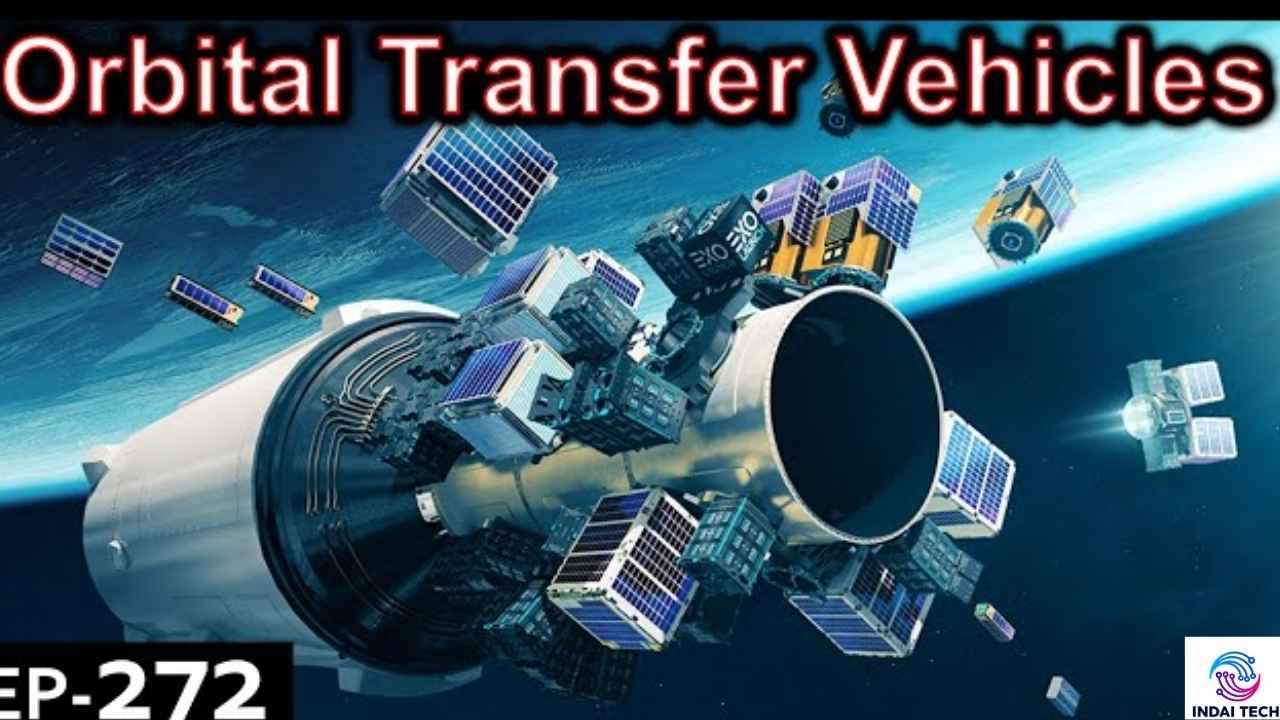
Sach bolo toh, space industry ab sirf rockets launch karne tak limited nahi rahi. Ab game change ho raha hai orbital logistics ka, aur isi wave mein NEC Orbital Transfer Vehicle: A New Era in Space Logistics ka naam kaafi attention grab kar raha hai. Agar aap bhi yehi search kar rahe ho ki ye vehicle kya hai, kyun trending hai, aur space economy ke liye iska real meaning kya hoga, toh ye article aapke kaam ka hai.
Yeh update kaafi important hai because space missions ab zyada frequent, modular aur cost-sensitive ho rahe hain. Orbital transfer vehicles ka role satellite deployment, repositioning, servicing aur deep-space mission support mein rapidly grow kar raha hai. Aaj ke is explainer-style breaking update mein hum simple language mein samjhenge ki NEC ka orbital transfer vehicle space logistics ko kaise reshape kar sakta hai, isse kis industry ko benefit mil sakta hai, aur aage kya changes dekhne ko mil sakte hain.
Table of Contents
- What is NEC Orbital Transfer Vehicle?
- Why this matters now
- How orbital transfer vehicles work
- Key timeline and ecosystem
- Comparison table
- Impact on space logistics
- FAQs
- Final analysis
What is NEC Orbital Transfer Vehicle?
NEC Orbital Transfer Vehicle: A New Era in Space Logistics basically refers to a new-generation space transport concept that can move payloads, satellites, or mission hardware between different orbital positions. Simple words mein samjho: jaise Earth par logistics companies parcels ko one point se another point tak le jaati hain, waise hi space mein orbital transfer vehicle cargo ko one orbit se dusre orbit tak shift karne ka kaam karta hai.
Ab asli sawal yeh hai: isme big deal kya hai? Big deal yeh hai ki satellites ko directly final orbit mein launch karna hamesha most efficient option nahi hota. Kabhi fuel saving chahiye hoti hai, kabhi precise placement, aur kabhi mission flexibility. Orbital transfer vehicle in problems ko solve kar sakta hai.
Meri personal observation yeh hai ki space news ko log pehle sirf rocket launch tak limit samajhte the. Ab curiosity badh rahi hai because real innovation launch ke baad wali journey mein chhupi hoti hai. Aur wahi space logistics ka future hai.
Why NEC Orbital Transfer Vehicle matters now
Space economy ab fast expand ho rahi hai. Satellite internet, earth observation, defense applications, scientific payloads, aur commercial missions sab ek hi cheez demand kar rahe hain: more efficient orbital movement.
NEC Orbital Transfer Vehicle: A New Era in Space Logistics is important because it points to a future where:
- satellites can be repositioned after launch
- mission costs can be optimized
- space debris management becomes more practical
- multi-orbit missions become easier to execute
- commercial space operators get more flexibility
Yeh thoda shocking tha for many observers because space logistics ko pehle niche topic maana jata tha. But ab yeh mainstream value chain ka part ban raha hai. Real-world example lo: agar ek telecom satellite ko slightly different orbit mein place karna ho for better coverage, toh orbital transfer vehicle direct operational advantage de sakta hai.
How an orbital transfer vehicle works in simple terms
Orbital transfer vehicles usually launch as part of a larger mission or as a dedicated transport layer. Once in space, they use propulsion systems to move payloads from one orbital path to another. Some are designed for short-range transfers, while advanced versions can support long-duration missions.
Core functions generally include:
- payload transport
- orbit raising or lowering
- precision satellite deployment
- in-orbit servicing support
- debris avoidance or relocation maneuvers
In practical terms, think of it like a space taxi plus cargo mover. Not as glamorous as a rocket launch, but often more useful after the launch headlines fade.
Latest ecosystem timeline and what to watch
Since space logistics is a fast-moving field, the most important thing is not just one announcement, but the broader direction. Here’s a useful snapshot of how the sector is evolving around NEC Orbital Transfer Vehicle: A New Era in Space Logistics.
| Area | What is happening | Why it matters |
|---|---|---|
| Satellite deployment | More missions want flexible orbital placement | Reduces launch inefficiencies |
| In-orbit servicing | Repair, refuel, and reposition concepts are growing | Extends satellite life |
| Commercial space | Private operators need cheaper logistics | Improves mission economics |
| Defense and security | Orbital agility is becoming strategic | Supports responsive space operations |
| Debris management | Need for controlled movement is rising | Helps reduce orbital risk |
Ab yahan pe ek curiosity hook aata hai: kya future mein satellites ko launch karne ke baad bhi “delivery updates” milenge? Honestly, that future is not far-fetched anymore.
NEC Orbital Transfer Vehicle: A New Era in Space Logistics vs traditional launch model
Traditional launches are powerful, but they are not always flexible. Orbital transfer vehicles add a new layer of control. Below is a simple comparison.
| Feature | Traditional Rocket Launch | Orbital Transfer Vehicle |
|---|---|---|
| Primary role | Put payload into space | Move payload within space |
| Flexibility | Limited after separation | High orbital maneuverability |
| Mission efficiency | Depends on exact launch profile | Can optimize final placement |
| Satellite servicing | Not built for it | Can support advanced servicing |
| Cost control | Higher if multiple launch profiles needed | Can reduce mission waste |
Yeh comparison clearly dikhata hai ki space logistics ka future sirf launch vehicles par dependent nahi rahega. Multi-step orbital transport ek new standard bana sakta hai.
Why this could change the space industry
NEC Orbital Transfer Vehicle: A New Era in Space Logistics is not just a product story. It is a signal that space operations are becoming more industrial, more layered, and more service-driven.
Potential impact areas:
- Satellite operators: better orbit placement and mission control
- Telecom companies: improved coverage planning
- Earth observation firms: more precise mission adjustments
- Government agencies: better response for strategic space assets
- Space startups: lower barriers for complex missions
For a relatable example, think of a delivery app that not only brings your food to your locality but also ensures it reaches the exact building, floor, and apartment. That level of precision is what orbital transfer can bring to space missions.
One more thing people often miss: space logistics also influences sustainability. If satellites can be moved, serviced, or retired more smartly, orbital congestion can be managed better.
Official and trusted sources to track
For readers who want to follow the broader space-tech ecosystem, these authoritative sources are useful:
For related coverage on our site, you can also check Space Tech Updates, Latest Technology News, and Business News.
FAQs on NEC Orbital Transfer Vehicle: A New Era in Space Logistics
What is NEC Orbital Transfer Vehicle?
It is a space logistics concept designed to move payloads or satellites between different orbital positions after launch.
Why is NEC Orbital Transfer Vehicle important?
Because it can improve mission flexibility, reduce waste, support satellite servicing, and make space operations more efficient.
Does orbital transfer vehicle replace rockets?
No. Rockets are still needed to reach space. Orbital transfer vehicles work after the launch phase to move payloads in orbit.
How does this help satellite companies?
It can help with precise placement, orbit changes, life extension, and better mission planning.
Is this related to space debris management?
Yes, indirectly. Better orbital control can help reduce congestion and support safer movement in space.
Will this affect future space missions?
Very likely. As space becomes more commercial, orbital transfer systems may become a standard part of mission planning.
Final analysis: what happens next?
Honestly, NEC Orbital Transfer Vehicle: A New Era in Space Logistics feels like one of those developments that may not sound flashy at first, but can quietly change the entire industry. Space is entering a phase where transport, servicing, relocation, and sustainability matter as much as launch power.
The bigger story here is not just one vehicle. The bigger story is the rise of an orbital economy. And once that economy scales, companies that master logistics will likely become as important as the launch providers themselves.
If you are tracking future tech, space startups, satellite business, or defense-space developments, this is definitely a topic to watch closely. The next big leap in space may not be a bigger rocket. It may be smarter movement after the rocket has already done its job.
For more updates, keep an eye on our internal coverage of space technology news and daily tech trends.