Clean energy ab ek buzzword nahi raha, it has become a real need. Rising electricity bills, climate worry, fuel price pressure, and energy shortage—sab ne milkar logon ko sochne par majboor kiya hai. Isi beech, Latest Breakthroughs in Clean Energy Technology ne kaafi curiosity create ki hai. Solar, wind, batteries, green hydrogen, smart grids—har area mein kuch na kuch naya ho raha hai. And honestly, yeh changes sirf big companies ke liye nahi hain, common people ke liye bhi kaafi important hain. Better power, lower cost, cleaner air—sounds good, right? But what exactly changed, and why is everyone talking about it now? Chalo simple Hinglish mein samajhte hain.
Table of Contents
- What exactly happened
- Why it started
- Latest Breakthroughs in Clean Energy Technology Table
- Main breakthroughs in clean energy
- Real situation of people and public reaction
- FAQ
- Final honest opinion
What Exactly Happened: Simple Timeline of Clean Energy Progress
Clean energy ka change ek din mein nahi hua. It happened step by step. Pehle solar panels expensive the, batteries weak thi, aur renewable power ko “future idea” ki tarah dekha jata tha. But last few years mein kaafi fast progress hui.
Yeh rough timeline samjho:
- Early stage: Solar aur wind ko support milna start hua, but cost high thi.
- Mid phase: Battery storage improve hui, aur renewable power zyada practical lagne lagi.
- Recent years: Green hydrogen, advanced nuclear, smart grids, aur new battery chemistries par kaam tez hua.
- Now: Companies, governments, aur startups sab clean energy ko scale karne mein lage hue hain.
So, the big change is not just one invention. It is a mix of better materials, smarter systems, and stronger policy push. And yes, competition bhi kaafi badh gayi hai.
Why It Started: Pressure, Costs, and Real-World Problems
Ab question aata hai—why it started so aggressively now? Simple answer: pressure. Energy demand badh rahi hai, climate issues serious ho rahe hain, aur fossil fuels pe depend rehna risky hota ja raha hai. Plus, countries ko apni energy security bhi chahiye.
Kuch log isko job market se bhi connect karte hain. Salary pressure, layoffs, management issues—especially old energy sectors mein—ne companies aur workers dono ko rethink karne par majboor kiya. New clean energy projects mein skills ki demand alag hai, aur yeh shift easy nahi hai. But market ka flow wahi hai jahan future dikh raha hai.
Public pressure bhi ek reason hai. Log ab pooch rahe hain: “Why should we pay more for dirty energy when cleaner options are becoming possible?” Fair question, no?
Latest Breakthroughs in Clean Energy Technology: Quick Comparison Table
| Technology | What’s New | Why It Matters | Current Challenge |
|---|---|---|---|
| Perovskite Solar Cells | Higher efficiency with lower manufacturing cost | Can make solar cheaper and more powerful | Durability and long-term stability |
| Solid-State Batteries | Safer and denser energy storage | Useful for EVs and grid storage | Scaling production at low cost |
| Green Hydrogen | Cleaner production using renewable power | Can decarbonize industry and transport | High cost and infrastructure gap |
| Advanced Wind Turbines | Better blades and offshore designs | More power from same wind speed | Installation and maintenance cost |
| Smart Grids | AI-based energy management | Reduces waste and power cuts | Cybersecurity and upgrade needs |
| Direct Air Capture | Pulls carbon from air | Helps fight climate change directly | Very expensive right now |
Latest Breakthroughs in Clean Energy Technology That People Are Talking About
1) Perovskite Solar Cells: Solar ka next level?
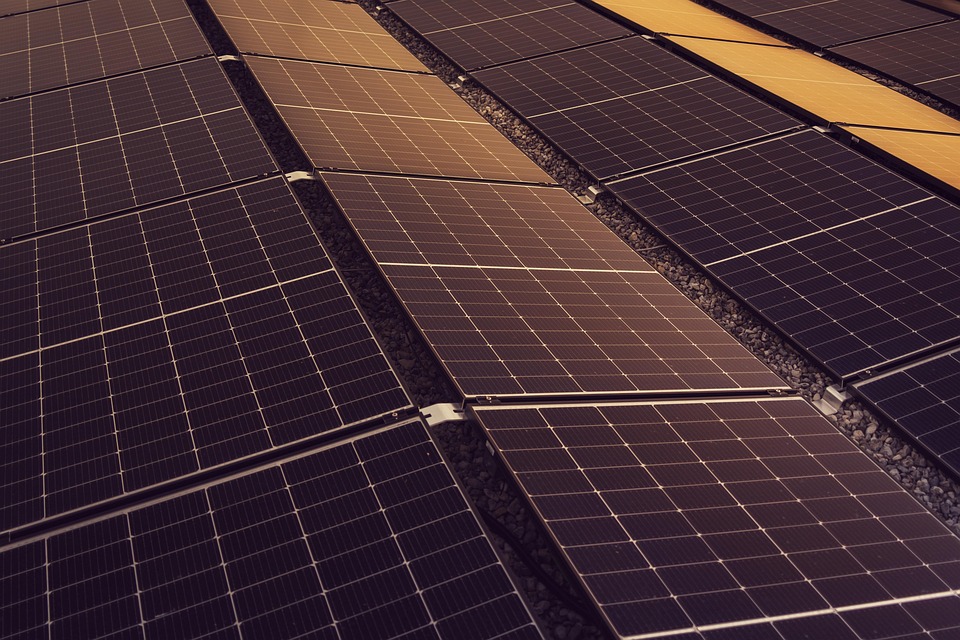
Solar energy already popular hai, but perovskite solar cells ne game aur interesting bana diya hai. Traditional silicon panels ke comparison mein yeh cheaper manufacturing aur high efficiency promise karte hain. Matlab same sunlight se more power.
Abhi issue yeh hai ki long-term stability itni strong nahi hai. Rain, heat, time—sab test karte hain. But still, researchers kaafi hopeful hain. Agar yeh scale ho gaya, rooftop solar aur utility solar dono ko boost mil sakta hai.
2) Solid-State Batteries: EVs ke liye big deal
Electric vehicles ka future battery pe hi depend karta hai. Solid-state batteries mein liquid ke badle solid material hota hai, so they are safer and can store more energy. Range better ho sakti hai, aur fire risk bhi kam hota hai.
Yeh breakthrough sirf cars ke liye nahi. Grid storage, phones, industrial backup—sab mein use ho sakta hai. But production cost abhi bhi high hai. So, hype hai, but patience bhi chahiye.
3) Green Hydrogen: Heavy industry ka clean option
Steel, cement, shipping—yeh sab sectors clean karna tough hota hai. Yahin green hydrogen ka role important ho jata hai. Renewable electricity se water ko split karke hydrogen banaya jata hai, without coal or gas emissions.
Iski biggest strength yeh hai ki yeh hard-to-abate industries ko decarbonize kar sakta hai. But problem? Cost. Infrastructure bhi chahiye, storage bhi, transport bhi. Still, many countries are investing seriously.
4) Advanced Wind Turbines and Offshore Projects
Wind energy mein bhi kaafi progress hui hai. Bigger blades, smarter designs, aur offshore wind farms se zyada electricity generate ho rahi hai. Sea ke paas wind stable hoti hai, so output bhi better mil sakta hai.
India aur global markets dono mein offshore wind ko future option maana ja raha hai. Haan, setup expensive hai. But long-term mein yeh kaafi useful ho sakta hai.
5) Smart Grids and AI-Based Energy Control
Ab power sirf generate karna enough nahi hai. Usko smartly distribute karna bhi zaroori hai. Smart grids AI aur sensors ka use karke demand-supply match karti hain. Isse blackouts kam ho sakte hain, aur energy waste bhi reduce hoti hai.
Imagine karo, agar ghar, factory, aur EV charging station sab ek smart system se connect ho जाएँ. That’s where the future is heading. Thoda complex hai, but very practical.
6) Direct Air Capture and Carbon Removal
Yeh technology hawa se carbon dioxide remove karti hai. Sounds sci-fi, but it is real. Climate change already ho raha hai, so sirf emissions cut karna enough nahi lag raha. Carbon removal bhi part of the solution ban raha hai.
Abhi yeh expensive hai, aur large scale pe kaam karna tough hai. But for industries that need net-zero targets, yeh kaafi important tool ban sakta hai.
Related reading: Solar Energy Trends in India | Future of EV Batteries | Smart Grid Technology Explained
Real Situation of People: Hope, Stress, and a Little Confusion
Ab sirf technology ki baat nahi, logon ki real life bhi dekho. Clean energy ka transition exciting hai, but it also creates stress. Old sector workers ko fear hota hai ki unki jobs kya hongi. New sector mein skills chahiye, training chahiye, aur time bhi lagta hai.
When I saw this, it felt like a classic case of progress versus uncertainty. Ek side pe future bright lag raha hai, dusri side pe people worried hain. Log kaafi frustrated lag rahe the, especially jab layoffs aur policy changes ka news aata hai. But kuch log genuinely excited bhi hain, because new jobs, better air, and lower bills ka hope hai.
Public discussion mein do clear camps dikhte hain:
- Supporters: “Finally, technology is solving a real problem.”
- Skeptics: “Yeh sab expensive hai, practical kab hoga?”
And honestly, dono side ka point valid hai. Clean energy is not magic. It needs money, planning, and patience.
Public Reaction and Discussion Around Latest Breakthroughs in Clean Energy Technology
Social media, news channels, aur policy forums mein yeh topic kaafi discuss ho raha hai. Some people are super optimistic. They believe clean energy will create jobs, reduce pollution, and make countries less dependent on oil imports. Others worry about affordability and whether these technologies will really reach common households.
There is also a strong business angle. Investors clean tech startups mein money laga rahe hain. Governments incentives de rahi hain. But public ka main question simple hai: “Mujhe isse fayda kya hoga?”
That’s a fair question. If electricity more reliable ho, monthly bill control mein rahe, aur pollution kam ho, then people will support it naturally. No need for fancy marketing, honestly.
External Sources Worth Checking
FAQ
1. What are the latest breakthroughs in clean energy technology?
Some major breakthroughs include perovskite solar cells, solid-state batteries, green hydrogen, smart grids, offshore wind, and carbon removal technologies.
2. Why is clean energy technology growing so fast now?
Because fossil fuel prices, climate pressure, energy demand, and government policies are pushing companies and countries to move faster.
3. Which clean energy breakthrough is most useful for daily life?
Smart grids and better batteries can directly improve power supply, reduce outages, and support EV charging and home energy storage.
4. Is green hydrogen ready for large-scale use?
Not fully yet. It has huge potential, but cost and infrastructure are still major challenges.
5. Will clean energy reduce electricity bills?
In many cases, yes over time. But the initial setup cost can be high. Long-term savings depend on policy, location, and usage.
6. Are these technologies safe and reliable?
Most are improving fast, but some still need more testing, scaling, and better regulations before mass adoption.
Final Honest Opinion on Latest Breakthroughs in Clean Energy Technology
My honest take? Latest Breakthroughs in Clean Energy Technology are real, useful, and actually exciting. But they are not a perfect solution yet. Some are expensive, some need time, and some are still in early stages. Still, the direction is clear. The world is moving toward cleaner power, smarter systems, and less pollution. That’s a good thing, no doubt.
If companies, governments, and people work together, this shift can become faster and more fair. The future may not be fully clean tomorrow, but it is definitely changing. And yes, this time the change feels real.
Disclaimer: The above information is based on news reports and online sources. Accuracy is not guaranteed.