If you are planning How to Travel Char Dham by Train: A Complete Guide, then honestly you are not alone. Every year, thousands of devotees and travel lovers start this journey with excitement, but also with a lot of confusion. Which railway station is nearest? How much time will it take? What is the best route? And after train, how do you reach the temples?
Char Dham Yatra is not just a trip. It is an emotion, a faith journey, and for many people, a once-in-a-lifetime experience. But the train part can feel tricky if you are doing it for the first time. So in this guide, I’ll explain everything in simple Hinglish + English, so you can plan better and travel with less stress.
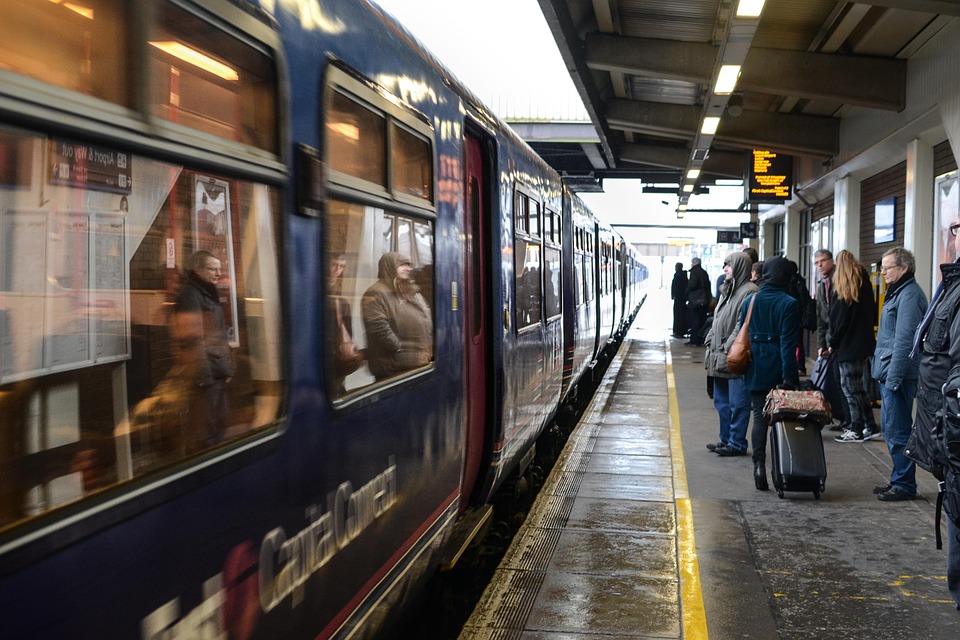
Image alt text suggestion: How to Travel Char Dham by Train: A Complete Guide for pilgrims planning railway route to Uttarakhand
Table of Contents
- What is Char Dham Yatra by train?
- What exactly happens during the journey
- Why people prefer train for Char Dham
- Best railway stations and route planning
- Budget, timings, and travel tips
- Comparison table
- FAQs
What is How to Travel Char Dham by Train: A Complete Guide?
Let’s make it simple. How to Travel Char Dham by Train: A Complete Guide means understanding the full railway-based travel plan for visiting the four sacred dhams of Uttarakhand: Yamunotri, Gangotri, Kedarnath, and Badrinath.
Now, one important thing: there is no direct train to the Char Dham temples. Train gets you close to Uttarakhand, and then you continue by road, taxi, bus, or helicopter in some cases. So the journey is a mix of rail and road travel. That is why planning matters so much.
The nearest major railway stations are usually Haridwar, Rishikesh, Dehradun, and sometimes Kathgodam depending on your route. From there, pilgrims move ahead by road to the temple towns and base points.
What Exactly Happened in Char Dham Train Travel Planning?
Many people ask this in a different way: what exactly happens when you choose train for Char Dham? Well, the real journey starts with booking a train to Uttarakhand, then arranging the road part carefully. This is where most of the confusion comes from.
For example, if you are going to Kedarnath, you can take a train to Haridwar or Rishikesh, then go to Sonprayag by road, and after that trek or take a pony/palki/heli service to reach the shrine. For Badrinath, you can travel by train up to Haridwar or Dehradun, then continue by road to Joshimath and Badrinath.
So the train is not the full answer, but it is the most comfortable and budget-friendly starting point for many families, senior citizens, and group यात्राएं.
When I saw people discussing this route planning, honestly thoda surprise hua because so many first-time यात्रियों think there is a direct temple train. But no, it’s more practical than that, and once you understand it, the whole trip becomes much easier.
Why People Prefer Train for Char Dham Yatra
Train travel is still the first choice for many Indian families. Why? Because it is usually cheaper than flying, less tiring than long-distance driving, and more comfortable for elders.
- Budget-friendly: Train tickets are usually easier on the pocket.
- Comfort: Overnight trains save energy before the road journey.
- Group travel: Families and satsang groups can travel together.
- Easy connectivity: Haridwar and Dehradun are well-connected from many Indian cities.
- Better for pilgrims: Many devotees prefer a slow, peaceful journey.
And let’s be real, road travel all the way from metro cities can be exhausting. Train gives you a proper break. You sleep, eat, pray, and reach your destination with a little more peace in your heart.
Best Railway Stations for Char Dham Route Planning
If your goal is How to Travel Char Dham by Train: A Complete Guide, then station selection is the most important part. Here are the main railway stations you should know.
- Haridwar Junction: Best for Badrinath, Kedarnath, and Yamunotri routes
- Rishikesh Railway Station: Good for road connection, but fewer train options
- Dehradun Railway Station: Useful for Gangotri and Badrinath side travel
- Kathgodam Railway Station: Helpful for some extended Uttarakhand travel plans
Haridwar is the most popular because it has better train connectivity and plenty of buses, taxis, and tour operators. From there, you can easily move toward the temple circuit.
If you are coming from Delhi, Mumbai, Kolkata, or South India, try to book a train that reaches Haridwar or Dehradun early in the morning. That way, you can continue the road journey on the same day.
Route, Timing, and Travel Tips for a Smooth Journey
Now let’s talk practical. A good Char Dham trip by train needs a smart route plan. Don’t just book tickets and hope everything will work out. Mountain travel is beautiful, but it can also be slow.
Typical route example: Delhi to Haridwar by train, Haridwar to Sonprayag or Joshimath by road, then temple visit as per your dham plan.
Best time: April to June and September to October are usually the better months. Monsoon can be risky because of landslides and road blocks.
Travel tips:
- Book train tickets early, especially in peak season.
- Keep buffer days. Mountain travel is never exact.
- Carry warm clothes, even in summer.
- Take medicines for motion sickness and altitude issues.
- Keep printed ID proof and temple registration details ready.
- Check weather and road updates before leaving Haridwar or Rishikesh.
Honestly, the biggest mistake people make is rushing. Char Dham is not a city trip. If you try to cover everything too fast, you may feel tired and miss the spiritual experience.
Real Impact on People
The real impact of train-based Char Dham travel is huge. For middle-class families, it makes the yatra more possible. For senior citizens, it reduces travel stress. For small groups, it keeps the budget under control.
Many pilgrims say that train journey itself becomes part of the devotion. You meet other devotees, share food, talk about the yatra, and slowly get into the spiritual mood. That is something flights usually do not give.
At the same time, the road part still remains challenging. Long queues, weather delays, and limited transport in peak season can test your patience. So yes, train helps a lot, but it is not a magic solution.
Public reaction / social media buzz: On social media, people often share mixed reactions. Some say train is the best way to begin Char Dham because it feels peaceful and economical. Others complain about last-mile road travel, overpricing by taxis, and lack of clear information. The buzz is mostly positive, but with genuine travel concerns. And that’s fair.
Comparison Table: Train Route vs Full Road Route
| Point | Train + Road | Only Road |
|---|---|---|
| Cost | Usually lower | Higher fuel/taxi cost |
| Comfort | Better for long-distance travelers | Can be tiring |
| Travel Time | Balanced, but needs planning | Long and tiring from far cities |
| Best For | Families, elders, pilgrims | Nearby travelers with private vehicle |
| Flexibility | Moderate | High |
Useful Railway and Travel Resources
For train booking, always check the official Indian Railways platform on IRCTC train search. For official Char Dham route and registration updates, you can also check the Uttarakhand Tourism website.
If you want more trip planning help, you can also read our internal guides like Char Dham Yatra route guide, Haridwar to Kedarnath travel tips, and best train routes in Uttarakhand.
Why It Started and Why This Route Became Popular
The reason this train-plus-road route became so popular is simple: India is a rail country. Most people trust trains more than anything else for long travel. Also, Char Dham is in the hills, and railway lines do not reach the temple towns directly. So train became the natural entry point.
Over time, better railway connectivity to Haridwar, Rishikesh, and Dehradun made the yatra easier. Travel agents also started offering combined packages, so people found it less confusing.
In short, it started because of practicality, and it stayed popular because it works for real Indian families.
Final Honest Opinion
If you ask me honestly, How to Travel Char Dham by Train: A Complete Guide is not just about station names and route maps. It is about planning your journey in a way that feels safe, affordable, and peaceful.
Train is the smartest starting point for most pilgrims. But you must accept one thing: the real challenge begins after the train ends. If you prepare well, keep buffer time, and travel with patience, the journey becomes beautiful. If you rush, it can become stressful very fast.
So my honest advice? Use train for comfort, choose your base station wisely, and keep your expectations real. That way, Char Dham feels less like a logistical headache and more like the sacred journey it is meant to be.
FAQ
Is there any direct train to Char Dham temples?
No, there is no direct train to Yamunotri, Gangotri, Kedarnath, or Badrinath. You need to travel by train to nearby stations like Haridwar, Rishikesh, or Dehradun, and then continue by road.
Which is the best railway station for Char Dham Yatra?
Haridwar Junction is usually the best and most convenient station because of better train connectivity and road access.
Can senior citizens travel Char Dham by train?
Yes, many senior citizens do. In fact, train travel is often better for them than long road journeys. Just plan extra rest, medical supplies, and comfortable road transfers.
What is the best season for Char Dham travel by train?
April to June and September to October are generally the best months. Avoid peak monsoon if possible because mountain roads can be risky.
Do I need advance booking for trains?
Yes, definitely. Char Dham season sees heavy rush, so train tickets should be booked early, especially for Haridwar and Dehradun routes.
Meta description: Learn How to Travel Char Dham by Train: A Complete Guide with best railway stations, routes, budget tips, travel timing, and practical advice for a smooth pilgrimage.
The above information is based on public sources and latest available updates. Please verify official details before planning your यात्रा.