Heart disease is still one of the biggest health concerns in the United States, and the tricky part is that the warning signs are not always dramatic. Many people imagine a heart problem as sudden chest pain in a movie scene, but real life is often much quieter. That is why learning Heart Disease Symptoms Every American Should Know can make a real difference for you or someone you love.
If you have ever brushed off shortness of breath, unusual tiredness, or a strange pressure in your chest, you are not alone. A lot of Americans wait too long because symptoms can seem mild, confusing, or easy to blame on stress, age, or being out of shape. The good news is that once you know what to look for, you can act faster and ask better questions at the doctor’s office.
In this guide, you will learn the most important symptoms, common causes, risk factors, tests, treatment options, and prevention tips in simple English. We will also cover when to get urgent help, what mistakes people make, and answer the most searched questions about Heart Disease Symptoms Every American Should Know.
Table of Contents
- What Is Heart Disease?
- Symptoms of Heart Disease
- Causes of Heart Disease
- Risk Factors
- Diagnosis and Tests
- Treatment Options
- Prevention Tips
- When to See a Doctor
- Common Mistakes People Make
- FAQs
What Is Heart Disease?
Heart disease is a broad term for problems that affect the heart and blood vessels. The most common type in the U.S. is coronary artery disease, which happens when the arteries that bring blood to the heart become narrowed or blocked. Over time, this can reduce blood flow and cause serious complications.
When people search for Heart Disease Symptoms Every American Should Know, they are usually looking for one thing: early warning signs. That matters because heart disease does not always start with a major emergency. Sometimes it begins with small changes in energy, breathing, or chest comfort that slowly get worse.
According to trusted sources like the CDC and Mayo Clinic, heart disease can affect adults of all ages, although the risk rises with age and certain health conditions. The earlier it is found, the better the chances of managing it well.
Symptoms of Heart Disease Symptoms Every American Should Know
Here are the most important Heart Disease Symptoms Every American Should Know. Some are classic, while others are easy to miss.
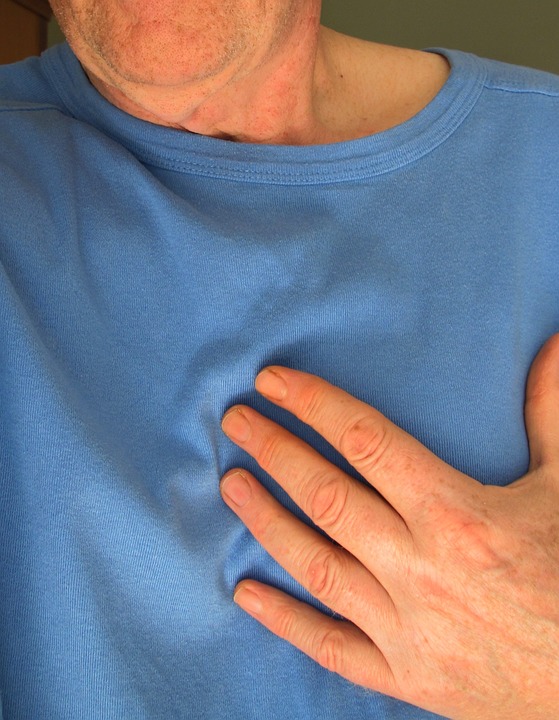
- Chest pain, pressure, squeezing, or fullness: This may happen in the center or left side of the chest. It may come and go.
- Shortness of breath: You may feel winded during normal activity or even while resting.
- Pain in the arm, shoulder, neck, jaw, back, or stomach: Heart-related pain is not always in the chest.
- Unusual fatigue: Feeling unusually tired, especially with simple tasks, can be a warning sign.
- Lightheadedness or dizziness: Some people feel faint or unsteady.
- Cold sweats: Sudden sweating without a clear reason can be a concern.
- Nausea or indigestion-like discomfort: This is more common in women and can be mistaken for stomach trouble.
- Swelling in the legs, ankles, or feet: This may happen when the heart is not pumping well.
- Fast, fluttering, or irregular heartbeat: A racing or uneven heartbeat should not be ignored.
Not everyone has the same symptoms. Some people have mild warning signs for weeks. Others have no symptoms until a major event happens. That is why learning Heart Disease Symptoms Every American Should Know is so important.
| Symptom | Possible Cause | Common Risk Factor | What To Do |
|---|---|---|---|
| Chest pressure | Reduced blood flow to the heart | High blood pressure, smoking, high cholesterol | Seek urgent medical evaluation |
| Shortness of breath | Poor heart pumping or fluid buildup | Heart failure, obesity, inactivity | Call a doctor promptly |
| Arm or jaw pain | Heart-related pain signals | Coronary artery disease | Do not ignore, especially with chest discomfort |
| Fatigue | Lower oxygen delivery | Diabetes, stress, older age | Schedule a medical checkup |
| Swelling in legs | Fluid retention | Heart failure, kidney issues | Get evaluated by a clinician |
Causes of Heart Disease Symptoms Every American Should Know
Heart disease usually develops over time. A common cause is plaque buildup in the arteries. Plaque is made of fat, cholesterol, and other substances that can slowly narrow the blood vessels. When blood flow to the heart drops, symptoms can begin.
Other causes include:
- High blood pressure
- High cholesterol
- Diabetes
- Smoking
- Obesity
- Inactive lifestyle
- Unhealthy diet
- Stress
- Family history of early heart disease
Some heart problems are related to heart rhythm issues, valve disease, or heart muscle weakness. If you are trying to understand Heart Disease Symptoms Every American Should Know, it helps to know that the cause may be different from person to person.
Risk Factors for Heart Disease Symptoms Every American Should Know
Risk factors make heart disease more likely. Some you can change, and some you cannot.
Risk factors you can change:
- Smoking or vaping
- High blood pressure
- High LDL cholesterol
- Diabetes
- Being overweight
- Physical inactivity
- Poor sleep
- Chronic stress
Risk factors you cannot change:
- Age
- Sex
- Family history
- Genetics
In the U.S., many adults have more than one risk factor. That is why doctors often look at the full picture, not just one symptom. If you already have risk factors, being familiar with Heart Disease Symptoms Every American Should Know becomes even more important.
Diagnosis and Tests
If your doctor thinks you may have heart disease, they may recommend tests to check your heart and blood vessels. These can include:
- Blood pressure check: High blood pressure can strain the heart.
- Blood tests: These may check cholesterol, blood sugar, and heart-related markers.
- Electrocardiogram (EKG or ECG): This measures the heart’s electrical activity.
- Stress test: This checks how your heart works during physical activity.
- Echocardiogram: This uses sound waves to create a picture of the heart.
- CT scan or coronary calcium scan: These can help show plaque buildup.
- Cardiac catheterization: In some cases, doctors use this to look directly at the arteries.
For reliable health information, you can also review trusted resources like CDC heart disease information, NIH/NHLBI heart disease resources, and Mayo Clinic heart disease guidance.
Treatment Options
Treatment depends on the type of heart disease and how serious it is. Common options include:
- Lifestyle changes: Better food choices, movement, weight management, and quitting smoking
- Medicines: Doctors may prescribe blood pressure medicine, cholesterol medicine, blood thinners, or other drugs
- Procedures: Some people need angioplasty, stents, or surgery
- Cardiac rehab: A supervised program that helps people recover and build heart-healthy habits
There is no one-size-fits-all answer. The right plan depends on your age, symptoms, test results, and overall health. If you are researching Heart Disease Symptoms Every American Should Know, remember that symptoms are only the starting point. Proper treatment comes from a licensed medical professional.
Prevention Tips
The best heart care is often prevention. Small daily habits can lower risk over time.
- Eat more vegetables, fruits, beans, and whole grains
- Choose lean proteins like fish, chicken, and beans
- Limit sodium, added sugar, and highly processed foods
- Move your body most days of the week
- Do not smoke or vape
- Keep blood pressure, cholesterol, and blood sugar under control
- Sleep enough each night
- Manage stress in healthy ways
- Keep regular checkups
For practical planning, you may also want to read Best Health Insurance Plans, Top Online Degree Programs, and Best AI Tools for Business if you want more helpful resources on our site.
Best Foods and Lifestyle Tips
If you want to support heart health, think simple and realistic. You do not need a perfect diet. You need a repeatable one.
Better food choices:
- Oatmeal
- Leafy greens
- Salmon and other fatty fish
- Beans and lentils
- Nuts and seeds
- Berries
- Low-fat or unsweetened dairy
- Olive oil in place of butter when possible
Helpful lifestyle habits:
- Take the stairs when you can
- Walk after meals
- Set phone reminders for medicine
- Track blood pressure at home if your doctor suggests it
- Keep a list of symptoms and when they happen
These habits will not replace medical care, but they can support it. That is a big part of managing Heart Disease Symptoms Every American Should Know before they become emergencies.
When to See a Doctor
Call a doctor soon if you have:
- New or worsening chest discomfort
- Shortness of breath with normal activity
- Fatigue that does not improve
- Swelling in the feet or ankles
- Irregular heartbeat
- Pain that spreads to the arm, jaw, back, or stomach
Call 911 right away if you think you may be having a heart attack. In the U.S., emergency care is the right choice for severe chest pain, trouble breathing, fainting, or sudden symptoms that feel dangerous. Do not drive yourself if symptoms are severe.
Common Mistakes People Make
Many people delay care because they think the symptoms are “not that bad.” That is one of the biggest mistakes.
- Blaming symptoms on stress or aging
- Ignoring chest pressure because it goes away
- Thinking heart disease only affects older men
- Waiting for pain to become severe
- Skipping follow-up tests
- Stopping medicine without asking a doctor
- Not tracking blood pressure or cholesterol
Another common mistake is assuming heart disease always feels the same for everyone. It does not. That is why learning Heart Disease Symptoms Every American Should Know can help you notice the subtle stuff too.
FAQs About Heart Disease Symptoms Every American Should Know
What are the most common Heart Disease Symptoms Every American Should Know?
The most common symptoms include chest pressure, shortness of breath, fatigue, pain in the arm or jaw, dizziness, and swelling in the legs or feet.
Can heart disease happen without chest pain?
Yes. Some people have no chest pain at all. They may only feel tired, short of breath, or nauseous. That is why symptoms can be easy to miss.
Are Heart Disease Symptoms Every American Should Know different for women?
Yes, sometimes. Women may be more likely to have fatigue, nausea, back pain, jaw pain, or shortness of breath instead of classic chest pain.
When should I call 911 for heart symptoms?
Call 911 if you have severe chest pain, trouble breathing, fainting, or symptoms that come on suddenly and feel life-threatening.
How is heart disease diagnosed?
Doctors may use blood tests, EKGs, stress tests, echocardiograms, and imaging scans to check the heart and blood vessels.
Can heart disease be prevented?
Many cases can be delayed or reduced with healthy habits like not smoking, eating well, exercising, and managing blood pressure, cholesterol, and diabetes.
What are the best foods for heart health?
Heart-friendly foods include fruits, vegetables, beans, whole grains, fish, nuts, and healthy fats like olive oil.
Should I get checked if I only have mild symptoms?
Yes. Mild symptoms can still matter, especially if they are new, repeat often, or happen with risk factors like high blood pressure or diabetes.
Final Thoughts on Heart Disease Symptoms Every American Should Know
Knowing Heart Disease Symptoms Every American Should Know can help you spot trouble early and take action before a small warning becomes a big emergency. Chest pressure, shortness of breath, unusual fatigue, and pain that spreads to the arm, jaw, back, or stomach should never be ignored. The same is true for swelling, dizziness, and irregular heartbeat.
If something feels off, trust your instincts and talk to a doctor. Heart disease is common in the U.S., but early care can make a real difference. Stay alert, stay informed, and take your symptoms seriously.
This content is for informational purposes only and does not replace professional medical advice.
Trusted sources: CDC, NIH, Mayo Clinic, WHO