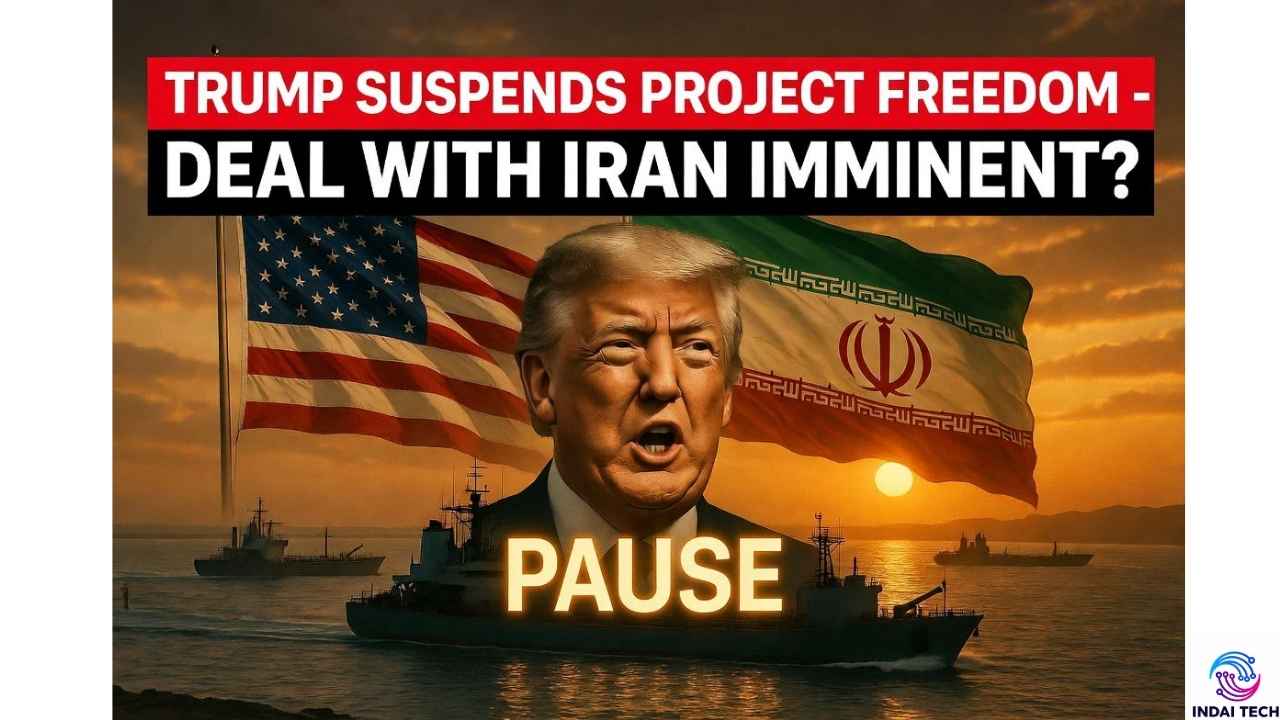
Can the U.S. and Iran Finally Reach Peace? Yeh sawal sirf Middle East politics ka nahi hai, balki global oil markets, shipping routes, diplomacy, aur even India ke economy-linked interests tak ko touch karta hai. Sach bolo toh, jab bhi Washington aur Tehran ke beech tension badhta hai, duniya ka mood instantly uneasy ho jata hai. Oil prices, Strait of Hormuz, regional security, proxy conflicts, sanctions, nuclear talks, sab kuch ek saath headlines mein aa jata hai.
Aaj ka biggest question yahi hai: kya decades-old hostility ko diplomacy se thaw kiya ja sakta hai, ya phir trust deficit itna deep hai ki peace sirf headline ban kar reh jayegi? Is article mein aapko latest diplomatic context, key roadblocks, timeline, market impact, aur experts kis angle se dekh rahe hain, sab kuch simple language mein milega. Agar aap bhi yehi search kar rahe ho, toh yeh update kaafi important hai.
Related reading: Middle East News Updates, Crude Oil Impact on India, Global Economy Tracker
Table of Contents
- What happened and why this question is trending
- Latest diplomatic update
- Timeline of U.S.-Iran tensions
- Why peace talks matter globally
- Big roadblocks in the peace path
- Peace scenario vs conflict scenario
- FAQs
- Final analysis
What happened: Can the U.S. and Iran Finally Reach Peace?
Can the U.S. and Iran Finally Reach Peace? Right now, the answer is: possible, but not easy. The relationship has been shaped by sanctions, nuclear concerns, regional proxy tensions, and years of mutual distrust. In recent months, diplomacy has continued in fragments through indirect channels, regional intermediaries, and backdoor messaging. But a full peace deal? That is still a very high bar.
What makes this topic trend every few months is simple: even a small diplomatic opening can move oil markets, reduce war fears, and calm global shipping concerns. On the other hand, one aggressive statement or military incident can undo weeks of progress. Yeh thoda shocking tha for many observers because the world keeps hoping for a breakthrough, but the reality keeps pulling back.
Mini observation: whenever U.S.-Iran headlines spike, people in India often notice it first through fuel-price anxiety. That is how connected this conflict is to everyday life.
Latest update: Can the U.S. and Iran Finally Reach Peace?
As of the latest widely reported diplomatic context, there is no formal peace agreement between the two countries. What exists is a fragile mix of indirect communication, regional mediation, and cautious signaling. The U.S. has continued to push for limits on Iran’s nuclear activities and de-escalation in the region, while Iran has demanded sanctions relief and security guarantees.
In simple words, both sides want different things first. The U.S. wants verifiable restraint. Iran wants economic breathing room. That mismatch is the core reason why Can the U.S. and Iran Finally Reach Peace? remains a live global question instead of a finished story.
For official background and policy statements, readers can also check:
Timeline: How the U.S.-Iran conflict reached this point
| Period | Key development | Why it mattered |
|---|---|---|
| 1979 | Iranian Revolution and hostage crisis | Relations collapsed and trust broke down |
| 2015 | Nuclear deal framework agreed | Hope for diplomacy briefly returned |
| 2018 | U.S. withdrew from the nuclear deal | Tensions rose again sharply |
| 2020s | Sanctions, regional attacks, indirect talks | Peace talks became cautious and fragile |
| Current phase | Backchannel diplomacy and de-escalation attempts | Peace is possible, but highly conditional |
Why peace talks matter beyond politics
Ab asli sawal yeh hai: why should a person sitting in India care? Because U.S.-Iran tension is not just a foreign policy story. It affects crude oil prices, shipping costs, insurance premiums, global inflation, and even investor sentiment in emerging markets.
Real-world example: if tensions rise in the Strait of Hormuz, oil supply fears can spike almost instantly. That can impact transportation costs, fuel bills, and market volatility. So when analysts ask Can the U.S. and Iran Finally Reach Peace?, they are also asking whether global economic stress can be reduced.
This is why traders, policy watchers, and even ordinary consumers keep an eye on this story. Peace would not solve everything overnight, but it could lower the risk premium that hangs over energy and shipping routes.
Big roadblocks in the peace path
Even if both sides say the right words, the road to peace is full of hard problems:
- Trust deficit: Years of broken promises and hostility have made mutual trust very weak.
- Nuclear issue: This remains the biggest strategic concern for Washington and its allies.
- Sanctions: Iran wants relief, but the U.S. wants leverage.
- Regional proxies: Conflicts involving allied groups keep the tension alive.
- Domestic politics: Both governments face internal pressure from hardliners.
Honestly, this is where peace talks get stuck most often. One side wants guarantees, the other wants proof. One side wants relief before concessions, the other wants concessions before relief. That loop is exhausting, and it is exactly why Can the U.S. and Iran Finally Reach Peace? is such a difficult question.
Peace scenario vs conflict scenario
| Scenario | Possible outcome | Global impact | Market reaction |
|---|---|---|---|
| Peace breakthrough | Indirect talks lead to de-escalation and limited agreement | Lower regional risk, calmer oil routes | Oil may cool, risk assets may stabilize |
| Partial thaw | No full peace, but fewer confrontations | Short-term relief, long-term uncertainty remains | Volatility reduces slightly |
| Stalemate | Talks continue without major progress | Same tension, same uncertainty | Markets stay nervous |
| Escalation | New incident or retaliation cycle | Regional instability rises sharply | Oil and safe-haven demand jump |
What experts are watching next
Diplomatic watchers are focused on a few signals. First, whether indirect communication becomes direct. Second, whether any temporary understanding on nuclear limits or sanctions relief appears. Third, whether regional tensions remain contained. These are the clues that often tell us whether Can the U.S. and Iran Finally Reach Peace? is moving from theory to reality.
One more thing people often miss: peace is not always a single grand signing ceremony. Sometimes it starts with small steps, like prisoner exchanges, reduced military signaling, or a limited de-escalation channel. That is how many big geopolitical shifts begin.
For more context, see Oil Market News and World News Today.
FAQs: People Also Ask
Can the U.S. and Iran Finally Reach Peace in the near future?
It is possible, but only through gradual diplomacy. A full peace deal is unlikely without major compromise on sanctions, nuclear concerns, and regional security.
Why are U.S.-Iran relations so tense?
The tension comes from decades of distrust, the 1979 revolution fallout, nuclear disputes, sanctions, and regional proxy conflicts.
Will peace talks affect oil prices?
Yes. Even the possibility of reduced tension can ease oil market fears, while escalation can push prices higher due to supply concerns.
What is the biggest obstacle to peace?
The biggest obstacle is trust. Both sides want security and concessions, but neither fully trusts the other’s long-term intentions.
Is a new nuclear deal possible?
A limited or revised understanding is possible, but a broad and durable deal would require strong verification and political backing.
Why does this matter to India?
Because Middle East stability affects crude oil prices, shipping, inflation, and global markets, all of which can indirectly impact India.
Final analysis: Can the U.S. and Iran Finally Reach Peace?
My honest take? Can the U.S. and Iran Finally Reach Peace? Yes, but not in one dramatic moment. If peace comes, it will likely be slow, conditional, and full of small steps rather than one big handshake. The biggest hope is de-escalation first, then structured dialogue, then maybe a broader settlement later.
Right now, the world should watch for signals, not slogans. If both sides keep choosing restraint over retaliation, the path toward peace becomes more realistic. If not, the cycle of tension will continue, and every new crisis will reopen the same question again.
So the short answer is this: peace is possible, but it needs patience, verification, and political courage from both sides. Until then, Can the U.S. and Iran Finally Reach Peace? will remain one of the most searched and most important geopolitics questions in the world.
Related links: Latest World News, Geopolitics Explainer, Energy News