Wind energy is changing fast, and honestly, it is not the old “big fan on a hill” story anymore. The Latest Innovations Transforming Wind Energy Technology are making turbines smarter, taller, quieter, and much more efficient. This matters because the world wants cleaner power, but also cheaper power. And that is where new wind tech is stepping in. From floating turbines in deep sea to AI-based maintenance, the industry is moving in a big way. If you are wondering what exactly is new, why companies are pushing so hard, and what it means for normal people, this article will keep it simple. Let’s break it down in easy Hinglish + English style.
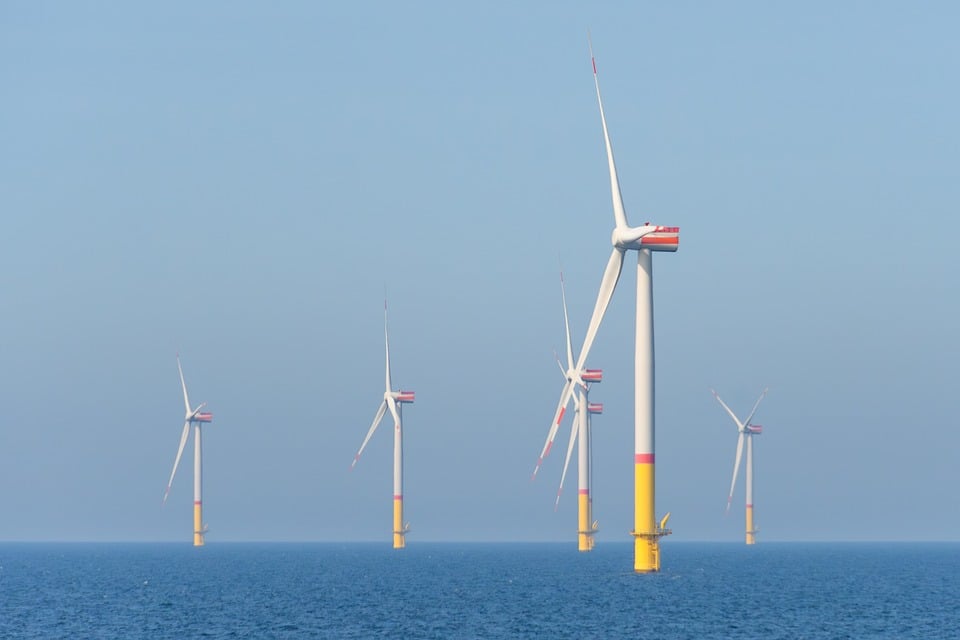
Table of Contents
- What Exactly Happened in Wind Energy
- Why It Started
- Latest Innovations Transforming Wind Energy Technology
- Real Situation of People and Public Reaction
- What It Means for the Future
- FAQ
What Exactly Happened: A Simple Timeline
Wind energy ka journey kaafi interesting raha hai. Pehle turbines mostly land par lagte the, and they were limited by space, wind speed, and maintenance issues. Then offshore wind came into the picture. Sea mein stronger wind milti hai, so power output better ho sakta hai.
After that, companies started facing pressure to make wind power cheaper and more reliable. Solar was growing fast, battery storage was improving, and investors wanted better returns. So the industry had to upgrade. That is where the Latest Innovations Transforming Wind Energy Technology really picked up speed.
Simple timeline
- Early phase: Basic onshore turbines, limited size and output
- Next phase: Bigger blades, taller towers, better materials
- Now: Floating wind farms, AI monitoring, digital twins, advanced recycling
So basically, wind energy did not just grow. It got smarter, faster, and more practical.
Why It Started: Pressure, Cost, and Industry Stress
Now let’s talk about the real reason behind this shift. It was not only about technology. It was also about pressure. Companies were under stress because of rising project costs, salary pressure, layoffs in some firms, and management issues. Many teams had to do more with less. Some workers felt the heat when project delays happened or profit margins went down.
In simple words, the industry had to fix itself. If wind power remained expensive or slow to install, people would move to other energy options. So innovation became a survival thing, not just a fancy upgrade.
And yes, there was also pressure from governments and climate goals. Cleaner energy targets are strict now. So companies had no choice but to innovate. That is why the Latest Innovations Transforming Wind Energy Technology are not random. They are a response to real business and human problems.
Latest Innovations Transforming Wind Energy Technology
Let’s come to the main part. What is actually new? Here are the biggest changes shaping the industry right now.
| Innovation | What It Does | Why It Matters |
|---|---|---|
| Floating wind turbines | Placed in deep water using floating bases | Use stronger sea winds and avoid land space issues |
| AI-based predictive maintenance | Detects faults before breakdown | Reduces downtime and repair cost |
| Longer, lighter blades | Capture more wind with less weight | Improves efficiency and power output |
| Digital twins | Virtual copy of turbine for testing | Helps engineers spot issues early |
| Advanced recycling materials | Better blade and component recycling | Makes wind energy more sustainable |
| Hybrid wind-solar systems | Combines two clean energy sources | Gives more stable power supply |
1) Floating wind turbines
This is one of the most exciting upgrades. Earlier, turbines needed fixed seabeds. Now, floating platforms allow wind farms to be built in deeper water. There the wind is usually stronger and more stable. This opens huge new areas for energy production.
2) AI and smart sensors
Wind turbines are now getting smarter. Sensors collect data on vibration, heat, speed, and wear. AI studies this data and predicts problems before they become major failures. Matlab, less surprise breakdowns. Less downtime. Better output.
3) Bigger and better blades
Modern blades are longer but lighter too. That means they can catch more wind without putting too much stress on the turbine. This is a big deal because even a small improvement can create a lot more electricity over time.
4) Digital twins
Digital twin sounds fancy, but idea is simple. It is a virtual model of a real turbine. Engineers can test performance, simulate storms, and check weak points without touching the real machine. Smart, na?
5) Better recycling and sustainability
One old problem in wind energy was blade waste. Some old blades were hard to recycle. New materials and recycling methods are helping solve this issue. So the industry is becoming cleaner not just in power generation, but also in manufacturing.
All these updates are part of the Latest Innovations Transforming Wind Energy Technology, and they are making wind power more practical for large-scale use.
Related reading: Renewable energy trends in India | Solar vs wind energy comparison | Latest green tech updates
Real Situation of People and Public Reaction
Now let’s be honest. Technology sounds great on paper, but people on the ground feel it differently. Some engineers are excited because new tools make their work smarter. But some workers also feel pressure because automation means fewer manual tasks. That can create fear about job security.
Log kaafi frustrated bhi lag rahe the in some discussions, especially when project delays, salary issues, or team cuts came up. In the energy sector, when budgets tighten, the first thing people worry about is jobs. And that is a real emotion, not drama.
I remember seeing a discussion where one engineer said the turbine tech is amazing, but the team is stretched too thin. When I saw this, it felt very real. New innovation is good, yes, but people also need support. Otherwise, the system looks shiny from outside and stressful from inside.
Public reaction in simple words
- Positive: Cleaner energy, lower emissions, better efficiency
- Mixed: High cost at the start, land and sea use concerns
- Negative: Job pressure, project delays, policy confusion
So the reaction is not one-sided. People want green energy, but they also want stable jobs and fair management. Fair enough, right?
Why the Future Looks Strong for Wind Energy
The future of wind power looks strong because the industry is finally solving old problems. Earlier, the main issues were cost, maintenance, and limited locations. Now the Latest Innovations Transforming Wind Energy Technology are helping with all three.
What can we expect next?
- More offshore and floating wind farms
- Better energy storage with wind systems
- Smarter grid integration
- Lower repair costs through AI
- More local manufacturing of parts
And because governments are pushing for clean energy, investment will likely continue. But yes, companies must balance growth with worker well-being. Otherwise, innovation alone will not solve everything.
Useful source: International Energy Agency | IRENA renewable energy reports
Final Honest Opinion
My honest take is simple: wind energy is entering a much better phase. The technology is no longer stuck in old limits. It is becoming smarter, cleaner, and more scalable. But at the same time, companies should not ignore the human side. Salary pressure, layoffs, and management stress are real, and they affect how well any innovation actually works.
So yes, the Latest Innovations Transforming Wind Energy Technology are impressive. Very impressive. But the real win will happen only when technology, jobs, and execution all move together. That is the balance the industry needs right now.
FAQ
1. What are the Latest Innovations Transforming Wind Energy Technology?
They include floating wind turbines, AI-based maintenance, digital twins, advanced blade materials, and better recycling methods.
2. Why is wind energy technology changing so fast?
Because companies are under pressure to reduce cost, improve output, and meet clean energy goals. Competition is also high.
3. Are floating wind turbines really useful?
Yes, very useful. They can be placed in deeper waters where wind is stronger and more consistent.
4. How does AI help wind turbines?
AI checks data from sensors and predicts faults before breakdowns happen. This saves time and money.
5. Is wind energy better than before?
Definitely. New tech has made it more efficient, more flexible, and more sustainable than earlier systems.
Disclaimer: The above information is based on news reports and online sources. Accuracy is not guaranteed.